Xiaomi 17 Pro & 17 Pro Max Review: Flagship Power, Impressive Design, and Advanced Features
As the first flagship phones of the second half of the year, the Xiaomi 17 Pro and Xiaomi 17 Pro Max have already made their debut. In this review, we’ll take a closer look at what these devices bring to the table in terms of design, performance, and overall user experience.
1. Design
Since the design language of both Pro models in the Xiaomi 17 series is similar, we’ll focus on the Xiaomi 17 Pro Max here.

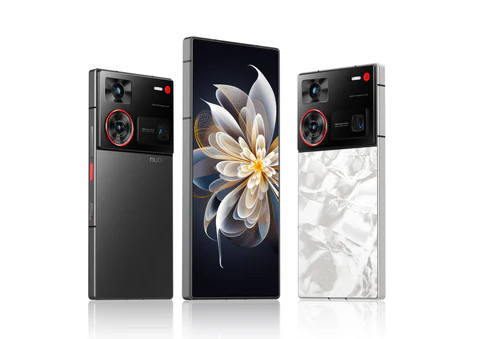
The standout feature of the Xiaomi 17 Pro series is its rear panel, which introduces the Xiaomi Mi Share back screen for the first time. The 2.86-inch back screen on the Xiaomi 17 Pro Max offers a wide array of features, including personalized wallpapers, dynamic notifications, pet wallpapers, sticky notes, and images. This innovative screen effectively brings the previously decorative Camera Deco to life.

The dual main and telephoto lenses are integrated within the Mi 17 Pro Max's rear screen, seamlessly blending with the camera module. Below the rear screen, you’ll find the ultra-wide-angle lens and flash, with the LEICA camera logo positioned to the right. The frosted back of the phone resists fingerprints, creating a striking contrast against the deco-like finish of the oversized glass, giving the device a powerful look.

The Forest Green color scheme is inspired by the lush, deep green of primeval forests. Rather than a vibrant green, it’s a dark, understated shade that exudes subtle tension. The phone’s four-micro-curve wraparound midframe design offers a smoother touch, enhancing both its strength and reliability. The gentle curve fits naturally into the palm, offering a softer grip compared to a flat frame.
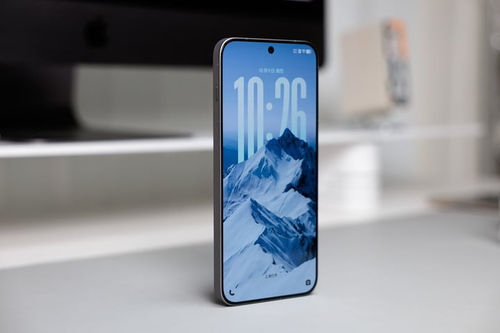
The Mi 17 Pro Max features a 6.9-inch screen with a punch-hole front camera at the top. It utilizes the latest Dragon Crystal Glass 3.0 process, which incorporates an upgraded formula and a better crystalline-to-amorphous material ratio, combined with ion implantation technology, resulting in a 30% improvement in drop resistance. This, paired with the flat screen design, elevates the phone’s overall reliability.

The top of the phone houses the antenna strips, while the bottom includes the speaker opening, USB-C port, microphone, SIM slot, and additional antenna strips. On the left side, the phone features antenna strips but no buttons, while the right side is home to the volume and power buttons.


The official dimensions of the Mi 17 Pro Max are 162.9×77.6mm, with a thickness of 8.3mm (measured) and a weight of 221.9g (measured). The included Xiaomi Dragon Scale Fiber Magnetic Protective Case features a cross-grained surface, adding a delicate feel, while the back screen transforms into a clock when the case is applied.


As for the Mi 17 Pro, it features a 6.3-inch screen and shares much of the same back design as the Pro Max, albeit in a smaller form. Official dimensions are 151.08×71.8mm with a body thickness of 8.3mm and a weight of 194.8g. The Mi 17 Pro is more compact, offering a design that can be comfortably held in one hand.


Overall, the Mi 17 Pro series introduces the Mi Enjoy back screen, which enhances both recognition and aesthetic appeal. While opinions may vary on the visual appeal, the phone’s premium texture, craftsmanship, and materials clearly reflect its flagship status.
2. Performance Experience
On September 25th, Qualcomm unveiled the Snapdragon 8 Extreme Edition mobile platform, and later that evening, Xiaomi launched the Mi 17 series. As the first to feature the fifth-generation Snapdragon 8 Extreme Edition, the Mi 17 series has generated significant excitement for its anticipated performance. Here, we tested the Mi 17 Pro Max, which features 16GB of LPDDR5X 8533Mbps RAM and 1TB of UFS 4.1 flash storage, supporting FBO 2.0 storage technology.

The Snapdragon 8 Extreme Edition platform continues to use Qualcomm's in-house Oryon CPU architecture and introduces hardware-level AI acceleration. The core architecture includes two super cores with a maximum clock speed of 4.6GHz and six performance cores with a max speed of 3.62GHz. This configuration delivers a 20% boost in single-core performance and a 17% increase in multi-core performance, with a total cache of 24MB. The GPU is powered by a 1.2GHz Adreno GPU with Sliced Architecture, offering a 23% performance improvement.
When ran the AnTuTu V11 comprehensive benchmark on the Mi 17 Pro Max, it achieved an impressive score of 3,623,378 points — 999,630 points for the CPU and 1,263,985 points for the GPU. These results reflect the device’s excellent performance. In GeekBench 6, the Mi 17 Pro Max also earned remarkable scores: 3,440 for single-core and 10,448 for multi-core.

For real-world performance, four games were tested on the Mi 17 Pro Max. During the tests, the device was set to “Performance Mode” with 60% screen brightness. While playing "Honor of Kings", the phone averaged 3.4W of power consumption, which is quite efficient. The highest temperature recorded was 36.4°C near the lower right corner of the rear screen, which showed slight warming but no thermal throttling.
In the “Honor of Kings” test, with maximum graphics settings, a 15-minute AI vs AI match ran smoothly, with no lag or frame drops. The game maintained an average frame rate of 120.1 FPS throughout, with no noticeable performance dips.


Next, we tested the more demanding “Honkai Impact 3rd” at high resolution and maxed-out image quality. After running around the “Golden Moment” scene for 15 minutes, the phone achieved a stable 59.5 FPS.


The frame rate curve remained smooth, with no noticeable drops during gameplay. Power consumption reached 6.1W, and the highest temperature was 42.3°C. While the device got slightly hot, it remained within acceptable limits, smoothly handling the game’s performance demands.

Overall, the Mi 17 Pro Max shows that Xiaomi has effectively tuned the Snapdragon 8 Extreme Edition, balancing performance and power consumption. Xiaomi’s years of experience with the Snapdragon 8 series have enabled them to fine-tune the platform, ensuring excellent performance without overheating or excessive power drain. The Snapdragon 8 Extreme Edition brings substantial upgrades in performance, energy efficiency, and AI capabilities. Users purchasing the Xiaomi 17 series can rest assured that its performance will meet the highest standards.
3. Imaging Experience
The Xiaomi 17 Pro Max is equipped with the all-new “Leica Light Master” imaging system, featuring a professional-grade triple-camera setup with Leica optics, earning its reputation as the "King of Backlight" in mobile photography. The main camera boasts a 50-megapixel Light Hunter 950L sensor and the new LOFIC high dynamic range technology, achieving an impressive 16.5EV ultra-high dynamic range. The setup also includes a 50MP 5x periscope telephoto lens, which enhances light intake by 30%, and a 50MP Leica ultra-wide-angle lens.
For the Xiaomi 17 Pro, the main camera uses the same 50MP Light Hunter 950L sensor, paired with a 50MP 5x optical zoom telephoto lens. The key difference between the Pro Max and Pro models lies in the telephoto lens design: the Pro Max features a super-prism periscope lens, while the Pro uses a time-inverted floating periscope assembly. Both models sport a 50MP ultra-wide-angle lens.
So, how does the Xiaomi 17 Pro Max perform in real-world photography? Let’s take a look at some sample shots.
In well-lit daytime conditions, the Xiaomi 17 Pro Max captures images that are sharp, clear, and brighter than what the human eye perceives, with rich, well-saturated colors. In the example below, the sky and distant white house appear significantly more vibrant and detailed than in real life.
In another scene with strong contrasts between light and dark, the Xiaomi 17 Pro Max maintains brightness and vibrancy, although the transition between light and dark is less pronounced than what’s seen by the naked eye. Despite this, the image remains visually pleasing and transparent.

In a more challenging scene with extreme lighting contrast, the Xiaomi 17 Pro Max demonstrates its high dynamic range capability. The phone preserves intricate details in both the shadowed corridor and the well-lit exterior, with pure and detailed shadows and no overexposed highlights. This showcases the remarkable latitude provided by LOFIC technology, which enables superior control over exposure and detail retention.
4. Functional Experience
Another standout feature of the Xiaomi 17 Pro series is its MiShare back screen design, which sets the series apart in the market.
The MiShare back screen is not just a decorative element; Xiaomi has designed it to be a functional second screen. To make it truly useful, Xiaomi has incorporated a variety of practical features.

For instance, the MiShare back screen supports personalized wallpapers, offering a wide range of options. You can choose from nature-themed images, like butterflies and koi fish, to artistic designs such as abstract geometric patterns, health visualizations like pedometer data, time spectra, abyss mirrors, and cat scratching boards. These options create diverse experiences, ranging from sci-fi to healing atmospheres.
In addition, the MiShare back screen serves as a platform for dynamic notifications, with ten preset scenarios for everyday activities. These include notifications for airplane mode, train schedules, taxi rides, car controls, food deliveries, movie tickets, music, phone calls, countdowns, and alarms. For example, while listening to music, the back screen displays song information, and during a workout, it shows the remaining seconds. It’s a practical tool for daily use.
The MiShare rear screen also enhances photography, allowing you to take selfies using the rear main camera. By previewing the shot on the rear screen, you can achieve higher image quality compared to using the front camera.

Xiaomi has even created a retro handheld game case accessory for the MiShare back screen. When attached, this case allows you to play classic handheld games from your childhood, such as parkour, warplanes, snakes, and even popular games like Angry Birds 2. It's an excellent way to pass the time.

Moving to the front screen, the Xiaomi 17 Pro Max incorporates the new M10 luminescence system, developed in collaboration with Lumi Blue. This breakthrough technology uses a new red light material that improves OLED luminous efficiency by 6.8% over the best imported materials. The Xiaomi 17 Pro Max achieves an impressive peak brightness of 3500 nits with a large 25% APL window area and lower power consumption at full brightness compared to the iPhone.
5. Charging and Battery Life
The Xiaomi 17 Pro series features innovative L-shaped laminated battery technology, allowing the battery to perfectly fit the contours of the phone, maximizing space efficiency. This design enables the Xiaomi 17 Pro to house a 6300mAh battery, while the Xiaomi 17 Pro Max boasts a larger 7500mAh battery.
A two-hour battery life test was conducted over Wi-Fi, with screen brightness and system volume set to 50%. The initial battery level was 100%, and the test was performed in balanced mode with Bluetooth disabled.
During the test, the Xiaomi 17 Pro Max played “Genshin Impact” at the highest quality for 30 minutes, resulting in a 5% battery drop. Over the full two-hour test, the device consumed only 11% of its battery, leaving 89% remaining, demonstrating impressive battery efficiency.

We also tested the Xiaomi 17 Pro under the same conditions:
-
30 minutes of “Genshin Impact” at the highest quality consumed 4% of the battery.
-
45 minutes of 1080p high-frame-rate Netflix movie playback consumed 3%.
-
20 minutes of TikTok video viewing consumed 2%.
-
15 minutes of Twitter browsing consumed 1%.
-
Finally, 10 minutes of news browsing consumed 1% of the battery.
In terms of charging, we also conducted charging tests on these two mobile phones. When charging, the initial power of the mobile phone was 0%. Using the standard 100W charger, it can be charged to 55% in 20 minutes, and it takes 47 minutes to fully charge. The Xiaomi 17 Pro mobile phone can be charged to 52% in 20 minutes, and it takes 54 minutes to fully charge.
As the first device to feature the fifth-generation Snapdragon 8 Extreme Edition and the leading entry in the high-end mobile market for the second half of the year, the Xiaomi 17 Pro series delivers across the board, offering a balanced performance-to-energy efficiency ratio. The Xiaomi 17 Pro Max impresses with its strong performance and mature tuning, achieving optimal performance release and energy control.
Overall Performance
The Xiaomi 17 Pro series also stands out in terms of imaging, with excellent backlit and telephoto photography capabilities that left a lasting impression. The addition of the Mi Enjoy back screen enhances the interactive experience, providing useful functions such as notification viewing and photo previews. This back screen goes beyond mere decoration, offering a unique and functional feature that sets the Xiaomi 17 Pro series apart in the market.