Breaking: Apple Hikes Mac & iPad Prices Globally, Blaming AI Boom for Soaring Costs
In a sudden move late on June 25th, Beijing time, Apple announced a global price increase for its Mac, iPad, and home device lineups. According to official data, the starting price for the MacBook Neo has risen from $599 to $699, the MacBook Air from $1099 to $1299, the 14-inch entry-level MacBook Pro from $1699 to $1999, the 11-inch iPad Pro from $999 to $1199, and the iPad Air from $599 to $749. This is a worldwide adjustment, though iPhone prices have not been changed for now.

Simultaneously with Apple's announcement, lower-memory versions of Macs and iPads have completely sold out on major e-commerce platforms. The entry-level MacBook Neo is no longer available on platforms like JD.com, Taobao, and Pinduoduo, except for a few listings from scalpers at inflated prices or for used units. This one-two punch of price hikes and stock shortages has caught consumers completely off guard.
AI Causes Storage Prices to Soar 300%, Apple Becomes a Victim
Apple is not just struggling with its own AI development; it has also become a victim of the broader AI boom. In its official statement, Apple explained, "The consumer electronics industry is facing unprecedented challenges. The rapid expansion of AI data centers has led to a surge in storage demand, and we have never seen component prices rise at such a rate and speed." Since the AI explosion in 2025, the demand for computing power has skyrocketed. Micron Technology's latest financial report shows its mobile business gross margin has reached 86%, up from just 15% a year ago. For instance, DDR5 memory prices have jumped from about $3/GB in early 2025 to $8/GB by June 2026, a more than 160% increase. NAND flash prices have seen even steeper climbs, with some models rising over 200%. For a MacBook Air with 16GB of RAM and 512GB of storage, the cost of memory and storage alone has increased by approximately 1,000 RMB. Even a giant like Apple can no longer absorb these costs.
Consumers Blindsided, Apple Scalpers Are Back
For the average consumer, the impact of this price wave is direct and significant. The most immediate effect is the sharp rise in purchase costs. The starting price of a MacBook Air, for example, has increased by 17.6%. This forces budget-conscious users to either settle for lower specs or consider other brands. However, turning to the Windows camp offers little relief, as other manufacturers are also raising prices, some even more aggressively. The secondary market is no safe haven either; scalpers have swept up existing inventory, causing used Mac and iPad prices to surge. Some second-hand dealers are even hoarding stock, betting on further price increases. Consumers are now caught in a difficult position: buy now before prices climb higher, or wait and hope for a drop that is unlikely to come. This industry-wide price hike is inescapable.

AI is Reshaping the Consumer Electronics Supply Chain, Apple to Showcase its 'Precision Cuts'
This AI-induced storage crisis is set to rewrite the rules of the entire supply chain. With memory manufacturers prioritizing the lucrative AI sector, the supply for consumer electronics is dwindling, and prices are climbing. Pricing power has shifted from device makers like Apple to storage suppliers. Jefferies Investment Bank predicts that global memory chip prices will rise by 40-50% in Q3 2026 and another 30-40% in Q4, a trend expected to continue until late 2027. In response, Apple is expected to make strategic adjustments to its product configurations. For example, future base model MacBooks might start with 24GB of RAM instead of 16GB, justifying a higher price point by offering more value. Furthermore, reports suggest Apple may skip the high-end Pro and Max versions of its M6 chip, jumping directly to the M7 Pro and Max in 2027 to integrate more advanced AI capabilities at once, saving costs while boosting competitiveness.
iPhone Holds for Now, But a Price Hike for the 18 is Inevitable
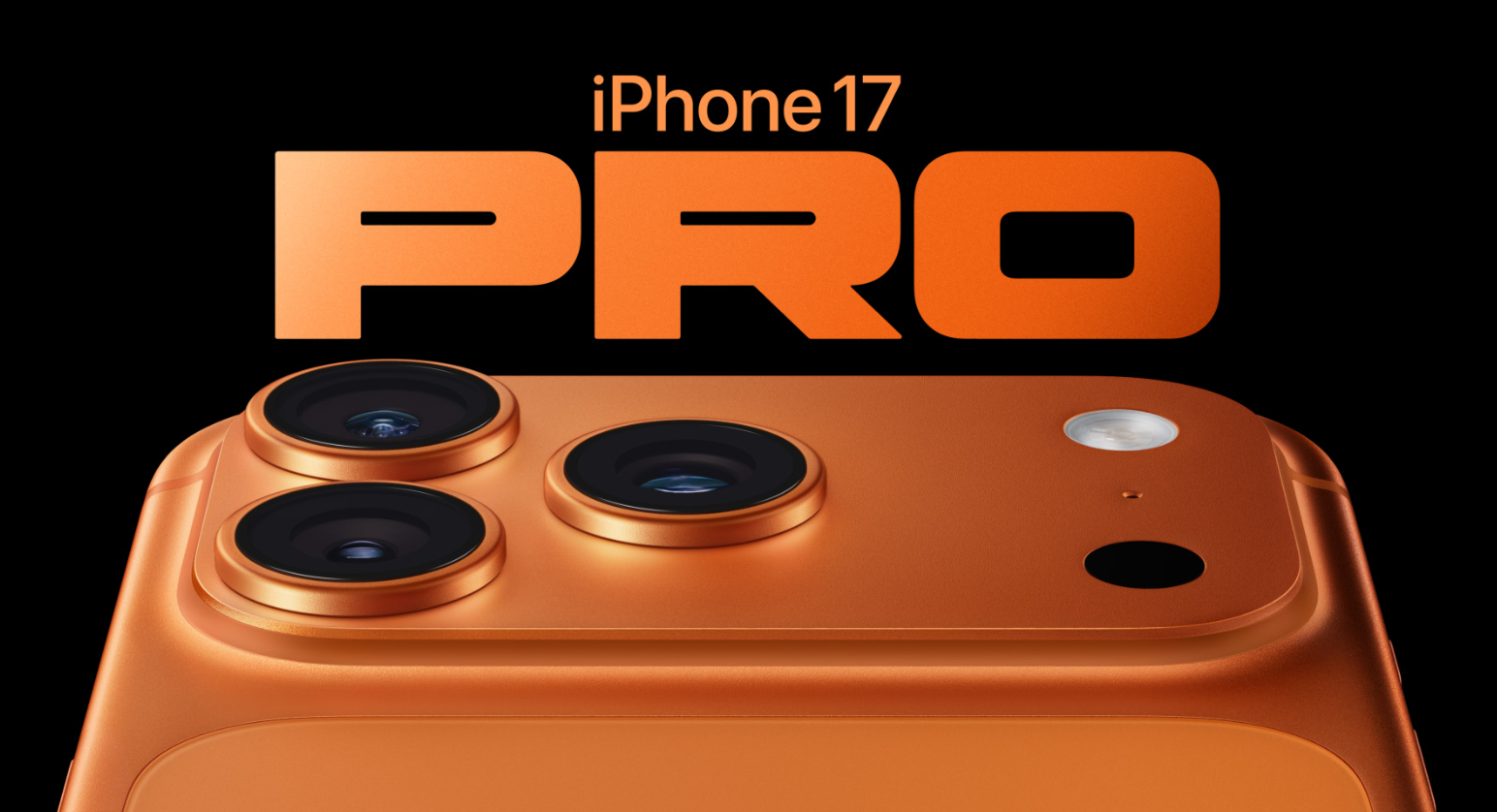
While the iPhone was spared in this round of price hikes, it's almost certain that its turn is coming. The iPhone is Apple's primary revenue source, and the company is likely using the Mac and iPad price adjustments to test the market's reaction. The cost pressures on the iPhone are even greater, given its higher storage configurations. A 20% increase in storage costs could add $60-$80 to the bill of materials for an iPhone 18. If Apple keeps the future iPhone price increase within 10%, most loyal users will likely accept it. However, a larger hike could push consumers toward high-end Android alternatives from Samsung, Huawei, and Xiaomi, though these brands face the same cost pressures. The key for Apple will be balancing cost recovery with maintaining its brand image and value proposition.
Apple's recent price hike is a clear signal that it can no longer shield consumers from the soaring component costs driven by the AI revolution. While this isn't good news for buyers, it's a direct consequence of technological progress, with the costs now being passed down to the end-user. If you're planning to buy a Mac or iPad, it would be wise to act sooner rather than later, as prices across Apple's entire product line may rise again with the launch of the iPhone 18. The AI-fueled storage crisis is just beginning, and it will require both consumers and brands to adapt to a new reality of higher prices and strategic compromises.