Apple AI glasses and camera AirPods confirmed by supplier
Apple AI glasses and vision-enabled AirPods are progressing through active supply chain preparations, according to recent disclosures from a component supplier involved in Apple's next-generation visual sensing hardware. Aimed at everyday users wanting continuous Apple Intelligence assistance without carrying a bulky headset, the core shift equips lightweight wearables with miniature cameras and environmental sensors so Siri can directly see and interpret user surroundings. While production preparations are underway, the supplier has not disclosed technical specifications or release dates, and Apple's first-generation glasses are expected to skip visual display optics entirely.

Stepping Beyond the Vision Pro Footprint
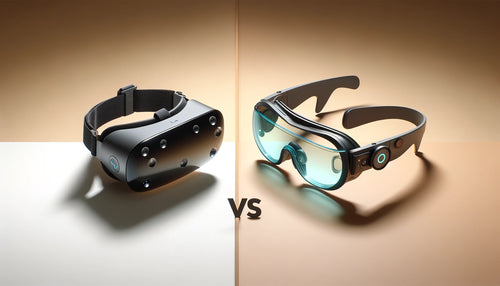
Apple demonstrated its spatial computing ambitions with the Vision Pro, but high hardware pricing and physical bulk naturally limited its mainstream appeal. In contrast, lightweight smart glasses and camera-equipped AirPods represent a much more accessible pathway for everyday consumers. By shifting the form factor toward conventional eyewear and familiar earbuds, Apple can deliver contextual AI tools at a significantly lower consumer barrier.
The move aligns Apple with competitors like Meta and Google, both of whom have steadily expanded their wearable AI portfolios. Rather than relying on virtual overlays or complex screens, the industry is pivoting toward ambient awareness—allowing machine learning models to assist users in real-time through voice prompts and contextual audio cues.
How Apple AI Glasses Plan to Compete with Meta
According to the supplier information, Apple's upcoming AI smart glasses will position themselves as direct rivals to Meta's Ray-Ban smart glasses. Instead of incorporating an augmented reality display system, the first iteration focuses on lean sensory inputs: onboard cameras, directional microphones, built-in speakers, and tight integration with Siri.
This hardware setup enables the frames to identify objects, read text, identify landmarks, and answer queries based on whatever falls within the wearer's line of sight. By offloading visual computation to Apple Intelligence, the glasses can remain lightweight and preserve battery life for daily wear.
AirPods with Miniature Cameras for Visual Intelligence
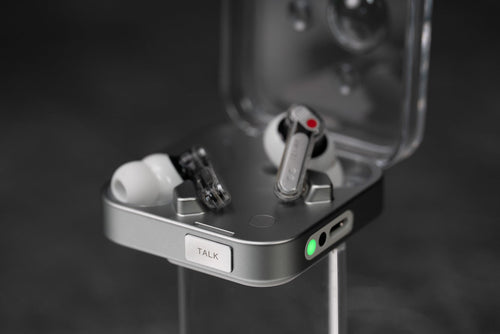
Alongside the eyewear, Apple is actively developing a future iteration of AirPods fitted with miniature cameras. These sensors are not intended for consumer photography or video recording. Instead, their sole function is capturing environmental context to supply visual data directly to Apple's AI platform.
Equipping earbuds with vision capabilities allows Siri to evolve from a voice assistant into an ambient co-pilot. Wearers could ask spoken questions about an item on a store shelf, identify unfamiliar architectural landmarks, or translate signage on the fly without pulling an iPhone out of their pocket.
A Broader Push Toward Ambient Computing
With component suppliers now openly confirming their involvement in development and production readiness, Apple's broader hardware roadmap is coming into clearer focus. Future competitive advantage will likely hinge less on individual stand-alone devices and more on a shared sensory ecosystem where audio, eyewear, and artificial intelligence work together seamlessly.
Would you prefer ambient AI features built into everyday eyewear, or does integrating contextual cameras into a pair of AirPods sound like the more practical approach for daily use?
Leave a comment