From iPhone to Android: Why Smartphone Camera Sensors Are Going Square
Quietly but surely, the square CMOS sensor is becoming the default choice in consumer electronics. Recently, not only did the Thunderbird V4 AI glasses introduce a square CMOS, but leaks also suggest that Huawei, OPPO, and Honor are poised to adopt them, with launches expected as early as the second half of the year. Other manufacturers like vivo and Xiaomi are also in the product evaluation stage.
The adoption of square CMOS sensors is clearly accelerating, especially in the year since the iPhone 17 series and iPhone Air introduced them in their front-facing cameras. Previously, discussions about mobile photography centered on the main camera's sensor size, telephoto reach, and algorithm prowess. The front camera was often an afterthought—as long as it could take selfies and handle video calls, few cared whether its aspect ratio was 4:3, 16:9, or 1:1. But with the iPhone 17, Apple changed the game by switching its front camera to a square sensor.
Interestingly, this shift isn't confined to smartphones. Following earlier devices like the DJI Osmo 360 camera, last year's DJI Osmo Action 6 also adopted a similar square CMOS. With the addition of the Thunderbird V4, what seems like a simple shape change is now appearing across phones, action cameras, and AI glasses. So, what problem does the square CMOS actually solve?
From the iPhone 17 Front Camera: What are the benefits of "going square"?
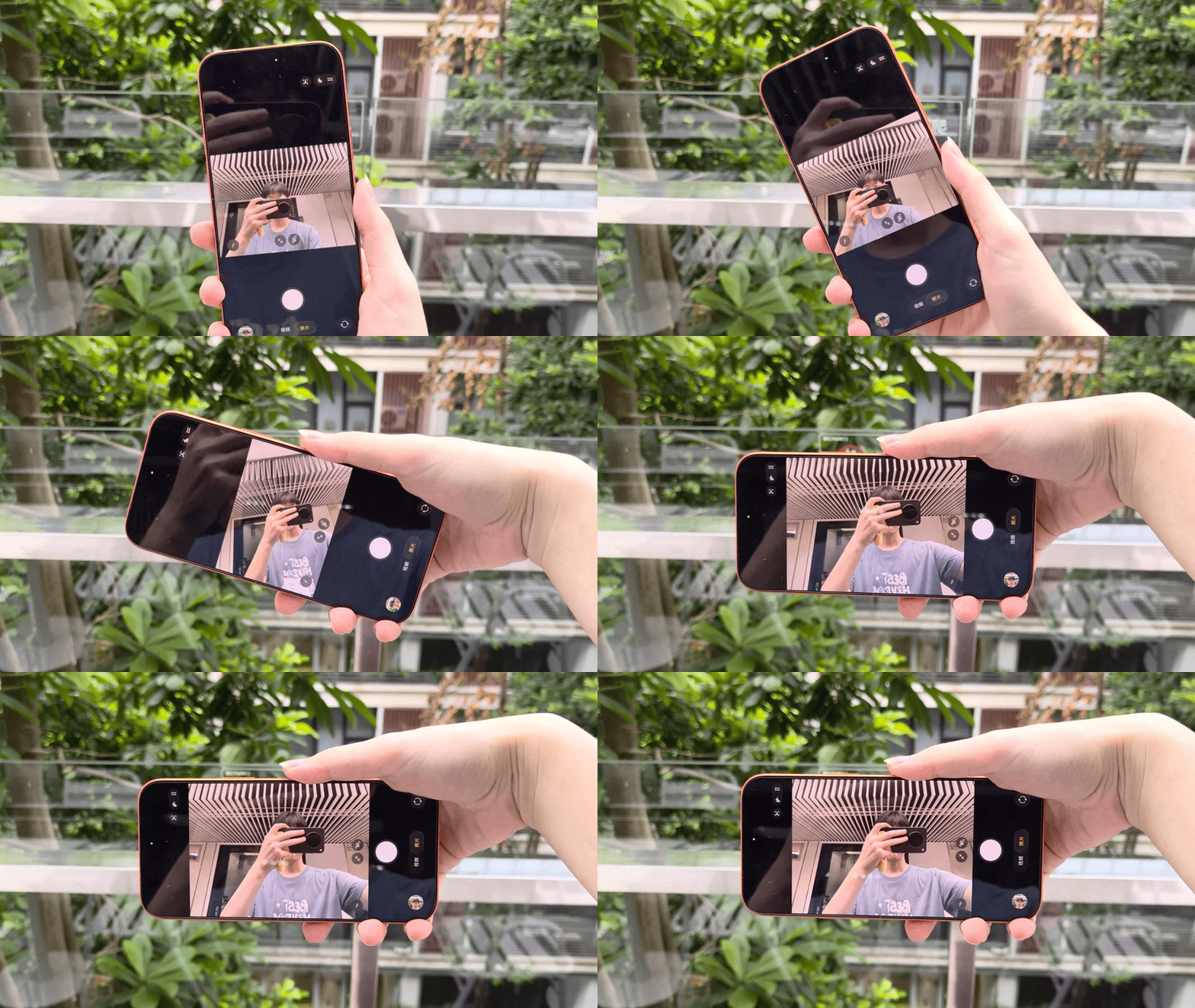
When we first experienced the iPhone 17 Pro Max last year, the upgrade brought by the square CMOS in the front camera was immediately noticeable. It wasn't just the pixel count jumping from 12 million to 18 million; the real game-changer was the square sensor itself. From the outside, little has changed—it's still the Dynamic Island in the same position. But the user experience is worlds apart.
iPhone 17 Pro Max
Previously, to shoot horizontal content with the front camera, you had to turn the phone sideways. This simple action can be awkward, especially on a large device like the Pro Max, where a one-handed horizontal grip for a selfie is uncomfortable. The same goes for video calls: holding the phone vertically often results in a narrow frame for the viewer, while holding it horizontally can make your gaze seem off-center. The iPhone 17's square CMOS solves this problem. The principle is simple: a larger square sensor captures a large, square "master image," and the system crops it in real-time to your desired aspect ratio. Holding the phone vertically, you can snap a portrait photo. With a single tap, the same sensor and pixels deliver a landscape image. No rotating the phone, no sacrificing quality—this is one of the most significant changes brought by the square CMOS. This is a classic Apple move. Instead of just hiding a hardware limitation, they transform it into a vehicle for a better software experience. Apple's answer wasn't to pile on more pixels or add a fill light; it was to rethink the sensor's fundamental shape, because they realized the biggest user pain point wasn't image quality, but awkward framing.
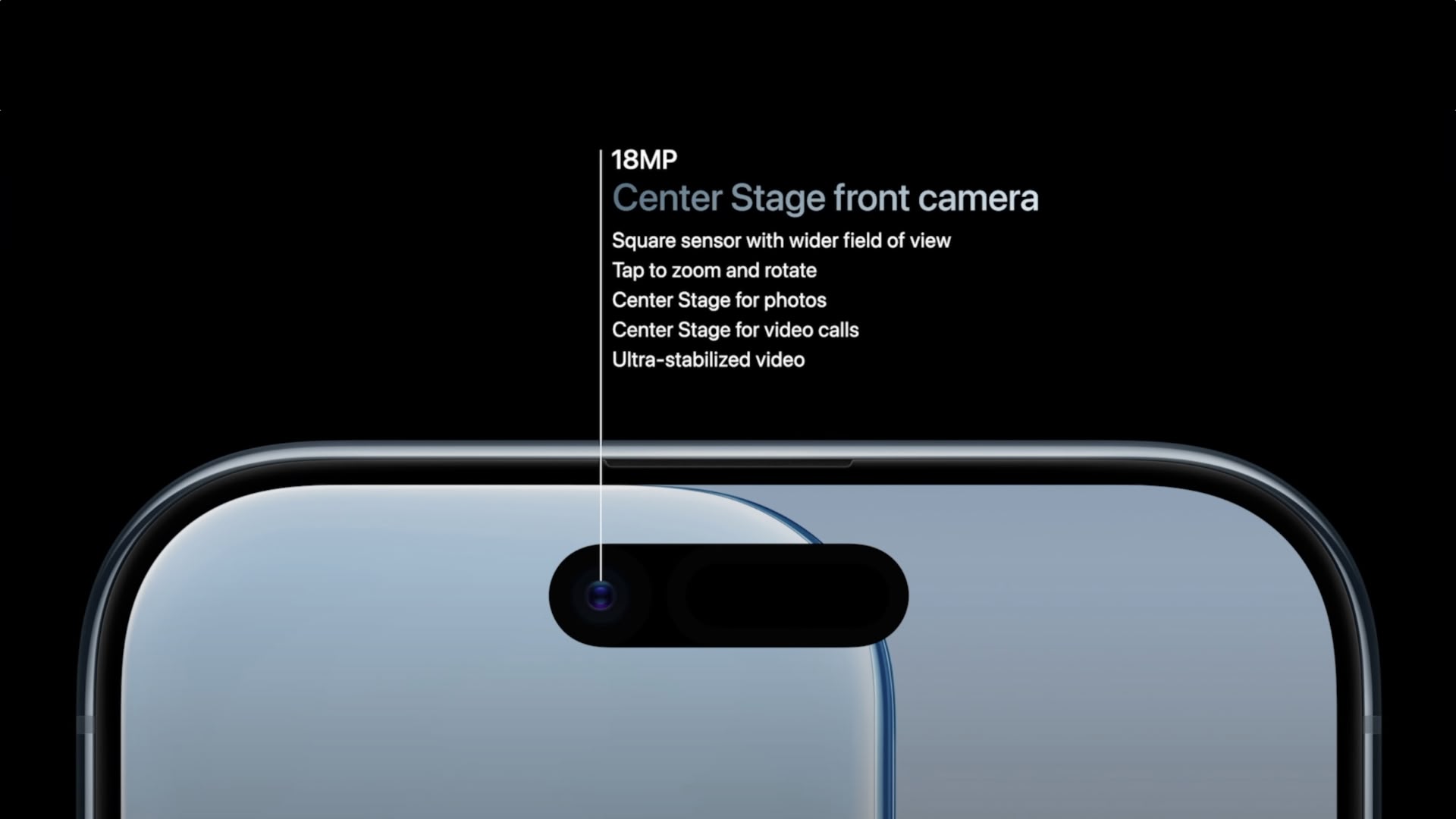
iPhone 17 series front camera, Image source: Apple
Not Just for Phones: The Versatile Uses of Square CMOS in Imaging Devices
At this point, you might wonder if convenient framing is worth all the fuss. If it were just about easier switching between horizontal and vertical, it would indeed be a minor upgrade. But the true value of the square CMOS runs much deeper, and it starts with basic optical principles. Have you ever wondered why lenses are round but the photos they produce are rectangular? The answer lies in the rectangular shape of the CMOS sensor. The lens projects a circular image field, and the sensor only captures the rectangular portion in the middle, converting it into a digital signal. This means that the light information in the corners of the circular field is wasted. For a 4:3 or 16:9 sensor, this wasted area is about 20%. A square sensor, however, is a much better fit for a circle, allowing it to utilize a larger area of the image field. With the same lens and overall sensor size, a square CMOS can capture approximately 20% more photons. This fundamental boost in light-gathering efficiency is the core advantage of a square CMOS and explains why action cameras and 360-degree cameras adopted it early on.
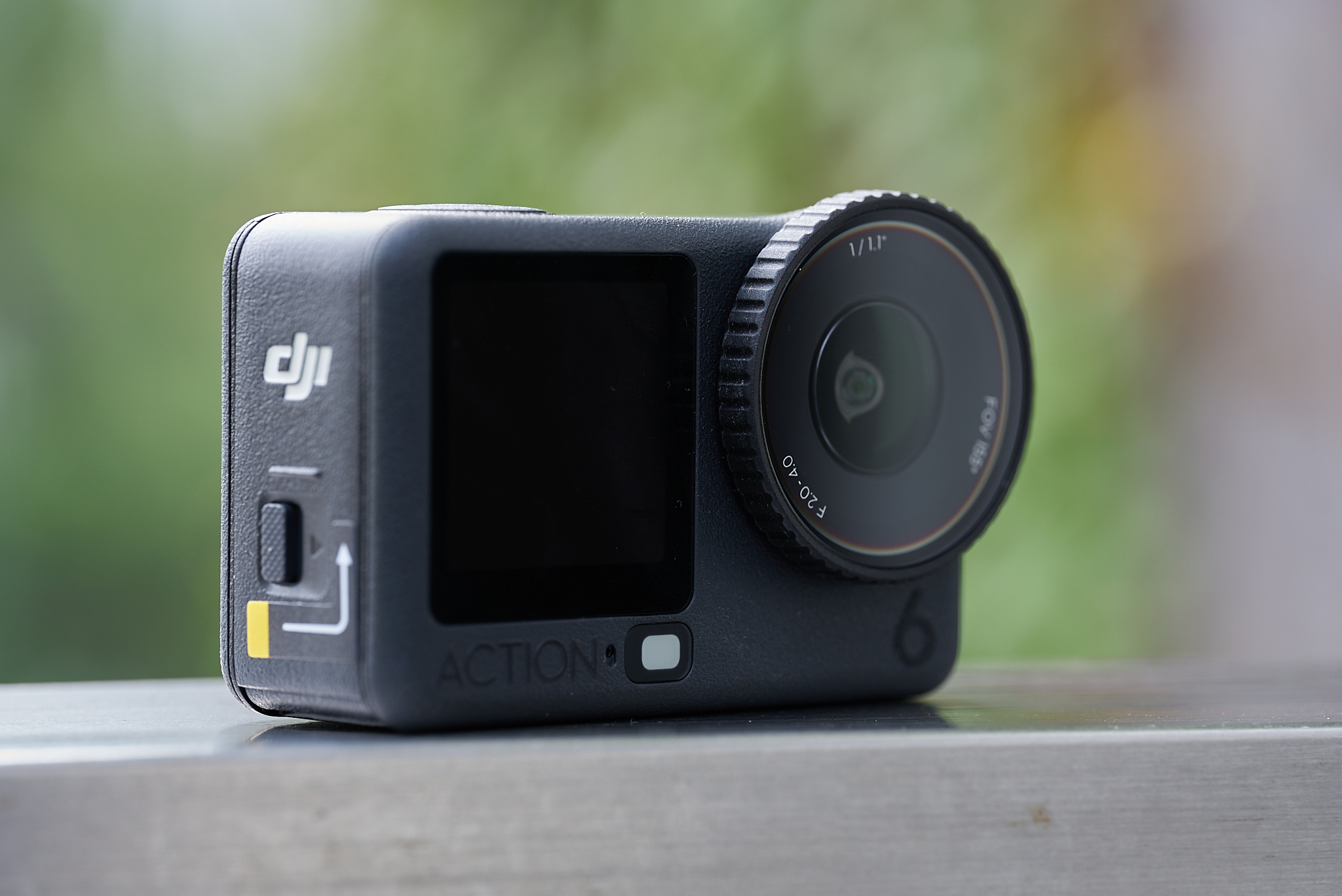
DJI Osmo Action 6
This efficiency is crucial for devices like AI glasses. The Thunderbird V4, released in May, was the first in its category to feature a 1:1 large-format square sensor. Since AI glasses are worn on the face, you can't rotate them like a phone. A traditional rectangular sensor, fixed horizontally, would have to severely crop the image to produce a vertical video, wasting a massive amount of sensor area and degrading quality. A square sensor eliminates this problem, delivering full-resolution output for both horizontal and vertical formats. In a device where every millimeter counts, maximizing the light-sensitive area is paramount.
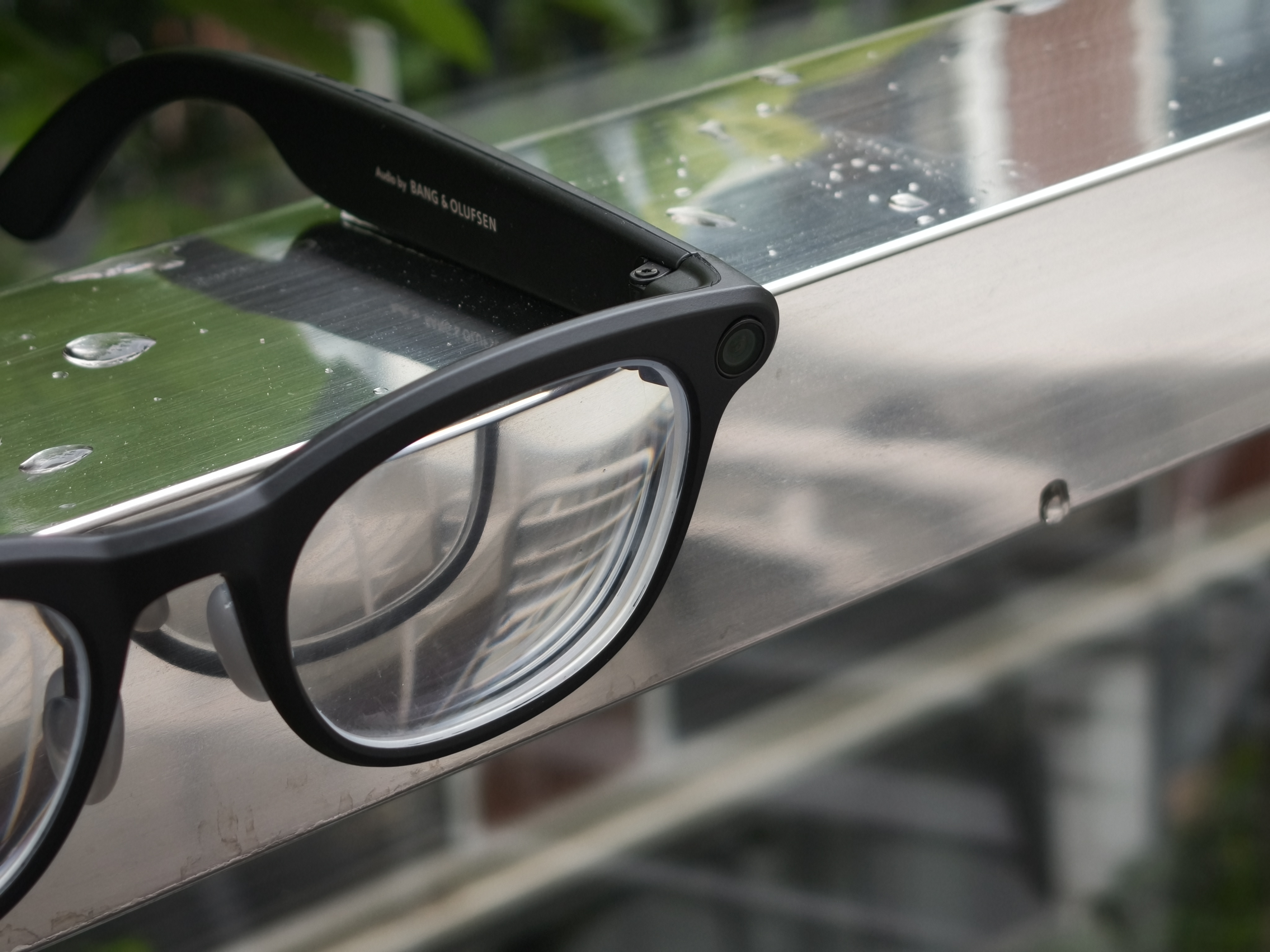
Thunderbird V4
The Dual Waves of Short Video and AI Will Keep Hardware "Going Square"
The recent surge in popularity for square CMOS sensors is driven by powerful trends. The first is the dominance of short-form video and content creation. While traditional media is horizontal, platforms like TikTok and Instagram have made vertical video mainstream. Users now instinctively shoot vertically, but their hardware—with its horizontally oriented sensors—hasn't kept up, forcing quality-degrading crops.
The square CMOS elegantly resolves this conflict by being format-agnostic. Another critical factor is the rise of AI and computational photography. AI algorithms for reframing, subject tracking, and image enhancement perform best when they have more raw information to work with. A square sensor provides a larger "digital negative," giving AI more creative latitude. In essence, the shift to square CMOS is a fundamental hardware optimization that has arrived at the perfect time, aligning with the evolution of content creation habits, the diversification of device form factors, and the rapid advancement of AI-powered imaging. This trend is not just here to stay; it's set to expand.