Exploring the Latest Trends in Smart Glasses for 2025
Smart glasses are more popular in 2025. New AI Glasses, Meta Ray-Ban, and Xiaomi smart glasses came out this year. This made more people interested in smart glasses. Many people now use smart glasses every day. Sales are three times higher than before. This shows people want smart glasses. In North America, the eyewear market is growing fast. More adults wear glasses, so it is easier to try smart glasses. Old eyewear stores help people get used to new tech. Tech companies also use smart glasses a lot. Most businesses want AR or VR by 2025. Big brands like Sephora and Walmart sell more and train better with smart glasses. There are millions of AR lenses for new smart glasses.

Key Trends
Smart glasses in 2025 do more than show images. They mix AR, AI, cameras, and headphones together. These AI glasses let people see digital things on top of the real world. AI agents in smart glasses can help answer questions. They can give directions and translate languages right away. Many brands use AI assistants that work with what is around you. Meta and Google put AI agents in their smart glasses. Google’s Astra AI agent system is in its newest model.
Design is now very different. Companies make smart glasses that look like normal glasses. Meta Ray-Ban smart glasses sold over one million pairs. This shows people want smart glasses that look good. Oakley and other brands will have new styles soon. Developers can make their apps for smart glasses now. Snap, Vuzix, and Brilliant Labs let others use their software. This helps people make new apps for maps and translation.
Table: Key Technological Trends in Smart Glasses in 2025
| Technological Trend | Description | Example Brands/Products |
|---|---|---|
| AI Agents powered by multimodal LLMs | Smart glasses use AI to give personal help based on the user’s environment. | Meta, Google, Xiaomi |
| Design and Aesthetics | Sleeker, more fashionable smart glasses appeal to more people. | Meta Ray-Ban, Oakley |
| Developer Ecosystems and SDKs | Open software lets developers create new apps for smart glasses. | Snap, Vuzix, Brilliant Labs |
| Shift from Industrial to Consumer | More people use smart glasses for daily life, not just work. | Meta, Xiaomi, AI Glasses |
Market Growth
The smart glasses market in 2025 is getting bigger fast. Experts think it will reach $16.74 billion by 2034. The CAGR is 10.51%. The AR glasses market is even larger. It could be $111.2 billion by 2034. The CAGR for AR glasses is 17.2%. This means many people want AR and augmented reality features.
Table: Smart Glasses Market Projections
| Metric | Value (USD Billion) | CAGR (%) |
|---|---|---|
| Smart Glasses (All Types) | 16.74 (by 2034) | 10.51 |
| AR Glasses (Augmented Reality) | 111.2 (by 2034) | 17.2 |
| Smart Glass Market (Broad) | 10.62 (by 2034) | 6.0 |
North America is the top market for smart glasses in 2025. It has more than 40% of the market. The market size is $1,256.55 million. The United States, Canada, and Mexico help this growth. They use smart glasses in healthcare, shipping, and making things. Europe is also strong, with Germany, the UK, and France leading. Asia Pacific is growing fast, too. China, Japan, South Korea, and India use smart glasses in smart factories and healthcare.
Note: North America is still the top place for smart glasses in 2025. Europe and Asia Pacific are getting closer because of better tech and government help.
Smart glasses in 2025 will have many cool features now. These include AR overlays, AI assistants, cameras, and good headphones. Some models, like the Viture Pro XR, have mixed reality and big virtual screens. They also have spatial sound. Others, like Snap Spectacles 5, use hand signs and have four cameras. Meta Ray-Ban smart glasses have AI assistants and cameras for photos. XReal Air 2 Ultra has hand and head tracking with great sound.
New models and brands, plus better tech, make smart glasses in 2025 more helpful and liked. More people use them every day at home and work. The market keeps growing as people see how useful smart glasses are.
Features
AR and AI
Smart glasses in 2025 have new AR and AI features. These features change how people use technology. AR glasses show digital images on top of real things. AI-powered glasses use smart assistants to help users. They answer questions and translate languages. They can also recognize objects around you. Brands like Meta, Ray-Ban, Xiaomi, and AI Glasses released new models this year. Users can take photos and record audio with these glasses. AI agents give help right away. These features make daily tasks and work easier. Augmented reality overlays and voice control make smart glasses more helpful.
Display and Optics
Display and optics in smart glasses are much better now. OLED screens with quantum dots show bright colors and sharp pictures. Holographic displays use AI to control light and make 3D images. These images look real and fit in small frames. Waveguide optics help AR glasses show clear images and save energy. At the 2025 Shenzhen International Optics Fair, companies showed smart glasses with photo and video capture. They also showed translation and object recognition features. Vuzix Shield smart glasses give real-time captions for people who cannot hear well. This shows how AR and AI work together to help users. New eco-friendly films and recyclable materials are also used.
Tip: OptiCare technology and 3840Hz dimming help your eyes feel better. These features make smart glasses comfortable for long use.
Connectivity
Connectivity is important in smart glasses today. Most AR glasses connect to smartphones and Wi-Fi. This lets users move data quickly. Bluetooth lets people stream music and make calls. It also helps control devices without using your hands. Some smart glasses use 5G for faster downloads. This makes augmented reality smoother. Advanced connectivity lets users share photos and use cloud services. They get updates right away. These features make smart glasses useful for daily life and work.
Battery Life
Battery life is better in 2025 smart glasses. People want longer use and faster charging. Ray-Ban Meta smart glasses last 4-6 hours when used. They can stay on standby for up to 16 hours. Their charging case gives three extra charges. Oakley Meta HSTN smart glasses last up to 8 hours when used. They can stay on standby for 19 hours. Fast charging helps busy people.
| Feature | Ray-Ban Meta Smart Glasses | Oakley Meta HSTN Smart Glasses |
|---|---|---|
| Active Use Time | 4-6 hours | 8 hours |
| Standby Time | 14-16 hours | 19 hours |
| Charging Case Capacity | 3 extra charges | 40-48 hours extra |
| Fast Charging | 60-75 minutes | 20-45 minutes |
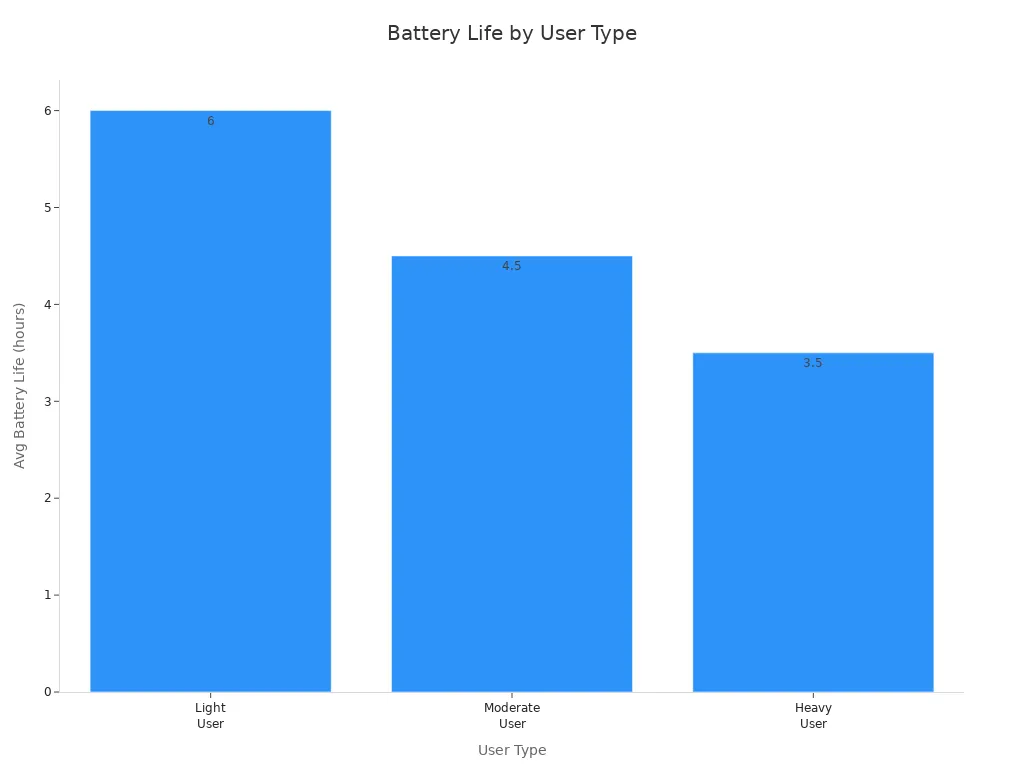
These features show that smart glasses now have better battery life. They also have high-resolution displays and strong connectivity. The user experience keeps getting better as technology improves.
Challenges
Privacy
Smart glasses in 2025 bring new privacy worries. Many people are afraid of being recorded without knowing. Some smart glasses have small lights to show when they record. These lights are hard to see, especially outside in the sun. This can make people feel uneasy or start arguments in public. Makers are trying new ways to warn users. They test gentle buzzes or sounds to make the recording clear.

Facial recognition technology causes more questions. Some smart glasses can spot people right away. This makes people worry about their data. After people got upset, companies like Meta turned off facial recognition. They also erased saved data. Now, there are rules for how companies use these tools. Makers work with rule-makers to keep privacy safe and still make new things.
Table: Privacy Concerns and Manufacturer Responses
| Privacy Concern | Description | Manufacturer Response |
|---|---|---|
| Recording Indicator Lights | Small or dim lights may not warn others about recording. | Testing haptic or audio alerts to improve transparency. |
| Facial Recognition | Real-time identification can collect data without consent. | Disabling features, deleting biometric data, and following legal requirements. |
| Ethical and Legal Challenges | AI and biometrics create complex legal and ethical issues. | Adjusting features and working with regulators to protect privacy. |
Design
Designers have a hard time making smart glasses look good and feel nice. Charging parts, like pogo pins, need thick nose bridges. This can make glasses look big and limit styles. Some people feel pain from pressure spots or get skin rashes from metal.
To fix this, companies use hidden wireless charging. For example, NuCurrent puts thin antennas inside the frames. This means no more metal connectors you can see. Glasses look smoother and are nicer to wear. Experts like Francesco Milleri say hiding tech keeps glasses stylish. These changes also make glasses stronger and let brands make more styles.
- Charging parts can make glasses thick and less stylish.
- Hidden wireless charging brings back comfort and style.
- Sleek frames attract more people and follow fashion.
Usability
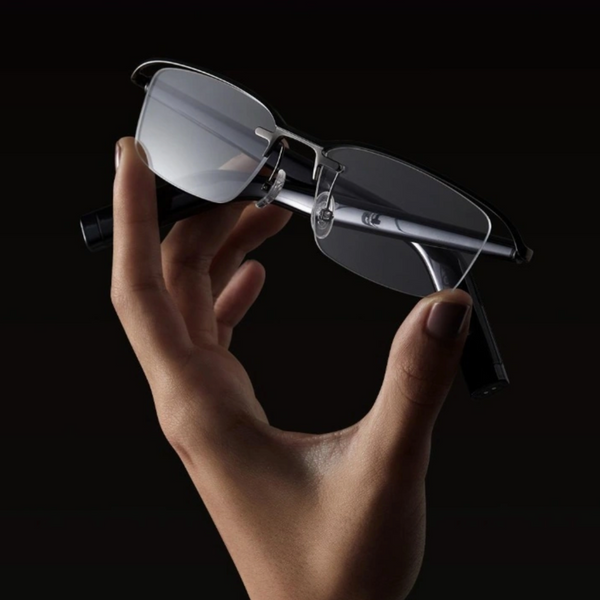
Usability is still a big problem for smart glasses in 2025. New models, like AI Glasses, Meta Ray-Ban, and Xiaomi smart glasses, have heads-up displays and voice helpers. These tools help users get info fast. But short battery life, sometimes just 4 to 6 hours, means people cannot use them for long. Heavy frames can hurt after wearing them for a while.
Controls can be tricky, too. Gestures may confuse new users. Some people with disabilities have trouble using smart glasses because there are not enough options. High prices, from $600 to $4,000, make smart glasses hard to buy for many families.
A study showed most users liked smart glasses, but some things still need work. Walking help and money reading are not perfect yet. Worries about privacy and what others think also matter. Companies keep working to make smart glasses more comfortable, easier to use, and better for everyone.
What’s Next
Smart glasses will keep getting better. Generative AI will make smart glasses fit each person. Meta, Apple, and Google are making new smart glasses. Apple wants to launch smart glasses in 2026. Google works with Warby Parker for new models. Smart glasses will use smartphones for connection and power. Better design and smaller parts will make smart glasses lighter and easier to wear. Prices will go down and features will get better. Experts think smart glasses will take the place of VR headsets for many things. The future will bring longer battery life, clearer screens, and smarter AI. Asia Pacific will grow fastest, but North America will lead in smart glasses use. Partnerships and help from governments will bring new ideas.