-
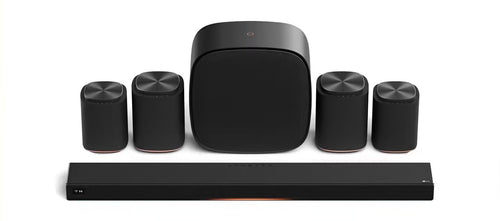
LG to Unveil H7, the World's First Soundbar with Dolby Atmos FlexConnect
LG announces the H7 at CES 2026, the world's first soundbar with Dolby Atmos FlexConnect for ultimate freedom in speaker placement and optimized immersive audio.
-

Lei Jun Confirms: The Xiaomi 17 Ultra is Launching Next Week
The wait is almost over. Xiaomi CEO Lei Jun has confirmed that the highly anticipated Xiaomi 17 Ultra flagship smartphone will be formally unveiled next week.
-
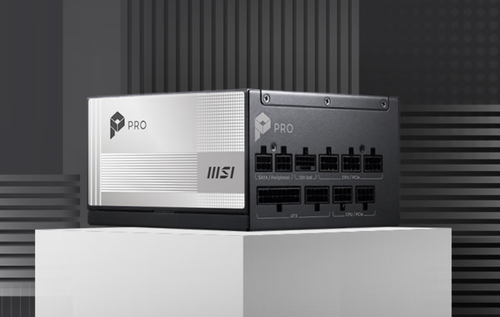
MSI Unveils PRO A1000PL: A 1000W Platinum PSU with ATX 3.1 & PCIe 5.1
MSI launches the PRO A1000PL, a 1000W Platinum power supply featuring the latest ATX 3.1 and PCIe 5.1 standards for high-performance systems.
-

Laifen's New i2 Toothbrush Redefines Oral Care with 66,000 VPM and Smart Pressure Sensing
Laifen's new i2 electric toothbrush features a 66,000 VPM motor, smart pressure sensing, and app customization, combining powerful sweeping and vibration for a superior clean.
-

Apple Seeds First Developer Beta of watchOS 26.3 for Testing
Apple has seeded the first developer preview beta of watchOS 26.3 to Apple Watch users for testing. The build number is 23S5586d, but new features are not yet known.
-

Thunderobot Confirms CES 2026 Showcase with a 'Grand Slam' of New AI and Gaming Hardware
Thunderobot has officially confirmed its participation in CES 2026, where it will unveil a new generation of innovative AI and gaming hardware across a wide range of product categories.
-

Redmi K90 Ultra Rumored to Pack a Groundbreaking 10,000mAh Battery in a Slim Design
The upcoming Redmi K90 Ultra is rumored to feature a massive 10,000mAh battery and fast wireless charging, all packed into a remarkably slim design under 8.5mm.
-

Philips Unveils the 27M2N5801PK: The Industry's First Dual-Mode UHD 240Hz Monitor
Philips has launched the groundbreaking 27M2N5801PK, the industry's first monitor to combine UHD resolution with a 240Hz refresh rate in a revolutionary dual-mode design.
-

Beelink ME Pro: A Revolutionary Modular Mini PC & NAS with Swappable Motherboards
Beelink unveils the ME Pro, a revolutionary modular Mini PC and NAS with a unique drawer-style design allowing users to easily swap between Intel, AMD, and Arm motherboards.
-

Canon EOS R3 Mark II Rumored for February 2026 Debut with Global Shutter CMOS
Canon's next-gen EOS R3 Mark II is rumored for a 2026 debut, potentially bringing a game-changing global shutter sensor to professional sports photography.
-
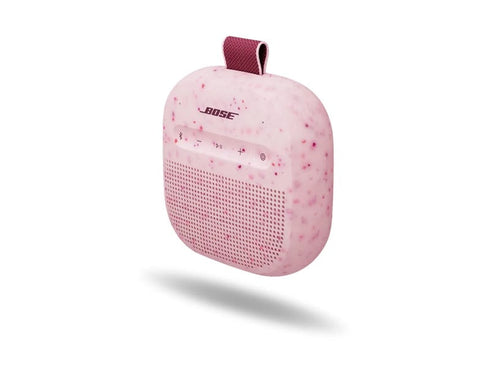
Bose SoundLink Micro II Gets a Splash of Color with Three New Hues
Bose has launched its rugged SoundLink Micro II speaker in three stunning new colors—Petal Pink, Cyan Blue, and Dune Gray—offering more style for music lovers on the go.
-

Mad Catz Unleashes M.M.O. 7+ Mouse with 21 Programmable Buttons and PAW3395 Sensor
Mad Catz has released its new M.M.O. 7+ gaming mouse, a customizable powerhouse for MMO players featuring 21 programmable buttons and an advanced PAW3395 sensor.
-

Apple Rolls Out New 6B34 Firmware for AirPods Pro 2 and AirPods 3
Apple has rolled out a new firmware update, version 6B34, for both AirPods Pro 2 and AirPods 3, likely bringing bug fixes and performance improvements.
-

Apple's 'HomePad' Leaked: An AI Smart Hub with Face ID That Recognizes Your Family
Leaked code reveals Apple's upcoming 'HomePad,' a smart display and AI hub with Face ID, alongside a new smart security camera and a major Siri overhaul.
-

Xiaomi Powers Up: First Major Appliance Factory Opens, Teases Self-Produced Central AC
Xiaomi has opened its first major home appliance factory and is set to release its first self-produced central air conditioner, marking a significant expansion of its manufacturing capabilities.
-
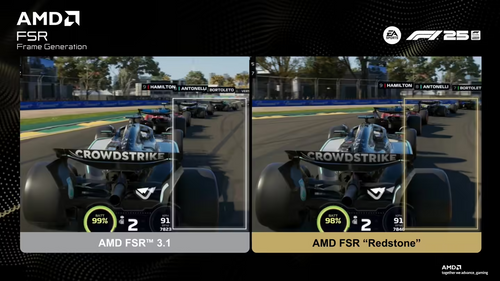
AMD Launches FSR Redstone and 25.12.1 WHQL Driver, Delivering Major Performance Boosts for RX 9000 Series
AMD has officially launched FSR Redstone, a new suite of AI-powered image enhancement technologies, alongside a new driver update delivering significant performance gains for Radeon RX 9000 series GPUs.
-
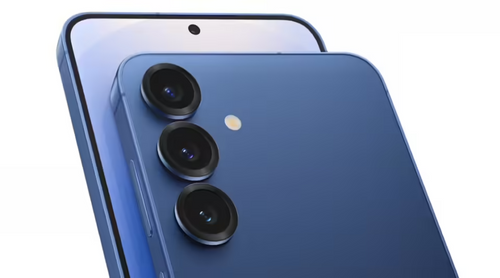
Samsung Galaxy S26 Standard to Keep S25 Camera as Cost Pressures Mount
The Samsung Galaxy S26 standard model will reportedly feature the same rear camera as the S25 due to cost-cutting measures and competitive pressure from Apple.
-
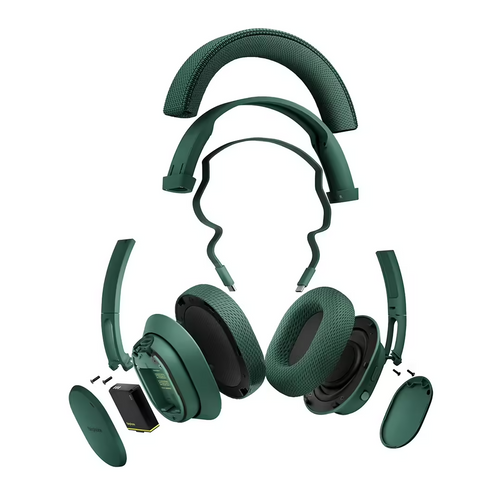
Fairphone Unveils Upgraded Fairbuds XL (2025): Better Sound, More Comfort, Same Price
Fairphone's refreshed Fairbuds XL (2025) offer upgraded drivers, enhanced comfort, and increased use of recycled materials, maintaining its modular design and original price.
-
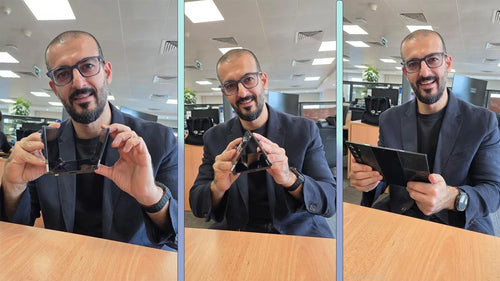
Samsung Executive Accidentally Reveals Galaxy Z TriFold Prototype with a Quad-Camera Setup
A social media post from a Samsung executive has unexpectedly revealed a Galaxy Z TriFold prototype, featuring a surprising quad-camera system not found on the final retail version.
-
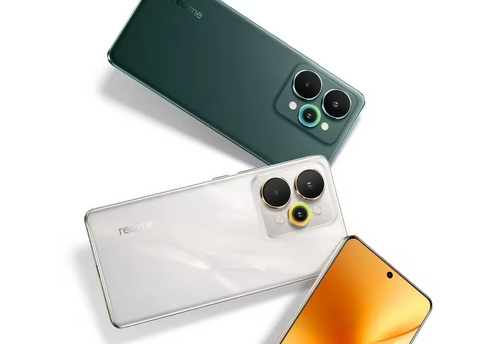
Realme 16 Pro Series Rumored for January 2026 Launch, Pro+ Model to Feature Periscope Telephoto Lens
The upcoming Realme 16 Pro series is rumored to feature a massive 7000mAh battery, a 200MP main camera, and a periscope telephoto lens on the Pro+ model.
-

FrameCluster: Turn Spare Framework Laptop Mainboards into a Rack-Mounted Cluster
FrameCluster is an innovative 3D-printed project that converts spare Framework Laptop mainboards into a compact, rack-mounted computing cluster, perfect for makers and home lab enthusiasts.
-
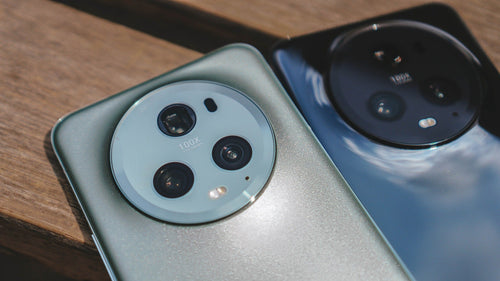
Honor Announces Major Camera Upgrade for Magic5 & V2 Series in Early January
Honor's upcoming January update brings exciting new camera features, including creative color tracking for video and artistic film styles, to its flagship Magic series smartphones.
-

Forget Fingerprints: Microsoft Patents Earbuds That Could Unlock Your PC With Your Ear
Microsoft patents futuristic earbuds that use the unique shape of your ear for biometric authentication, potentially letting you unlock your Windows 11 PC just by wearing them.
-
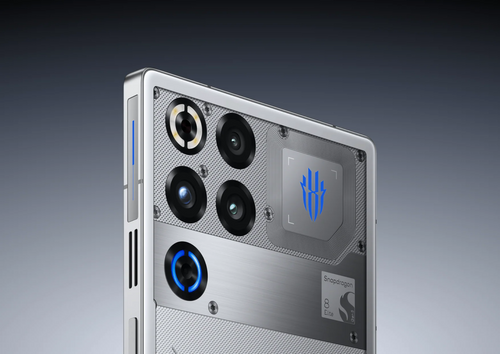
RedMagic 11 Pro+ 'Deuterium Transparent Silver Wing' Edition with 24GB+1TB Announced
RedMagic is launching a limited 'Deuterium Transparent Silver Wing' edition of its 11 Pro+ gaming phone, featuring a massive 24GB of RAM and 1TB of storage.
-

Astell&Kern Unveils the AK HC5: A Powerful DAC/Amp with DSD Upscaling and Dual Outputs
Astell&Kern launches the AK HC5, a premium portable DAC/Amp with dual headphone outputs, advanced DSD upscaling technology, and a flagship DAC for an unparalleled listening experience.
-

Honor's 'ROBOT PHONE' Tipped for H1 2025 Mass Production with a Focus on Productivity
Honor is reportedly preparing a new, large foldable named 'ROBOT PHONE' for mass production in H1 2025, positioning it as a productivity-focused device with a record-breaking screen size.
-

Viwoods Unveils AiPaper Reader C: A Color E-Ink Phone with 4G Connectivity
Viwoods has launched the AiPaper Reader C, a new e-paper phone featuring a 6.13-inch color E-Ink screen, 4G connectivity, and physical page-turn buttons for an enhanced reading experience.
-

OnePlus Pad Go 2 Surfaces on Geekbench, Tipping Dimensity 7300 and a 2.8K Display
The next-generation OnePlus Pad Go 2 has surfaced on Geekbench, hinting at significant upgrades with the MediaTek Dimensity 7300 chipset and a large 2.8K display.
-

OnePlus Ace 6T Review: A 165Hz Gaming Beast with an Unbelievable 8300mAh Battery
The OnePlus Ace 6T redefines gaming phones, pairing the new 5th Gen Snapdragon 8 with a stunning 165Hz display and an unprecedented 8300mAh battery for ultimate performance.
-
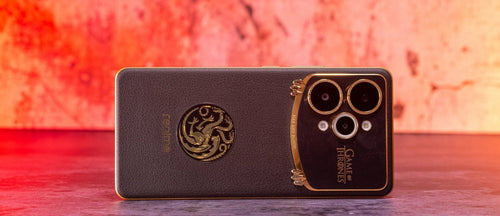
Realme Unveils 'Game of Thrones' GT5 Pro Edition with World-First Heat-Sensitive Color-Changing Design
Realme is launching a 'Game of Thrones' themed GT5 Pro on December 8, featuring a groundbreaking heat-sensitive design that changes color, a world-first for smartphones.
-
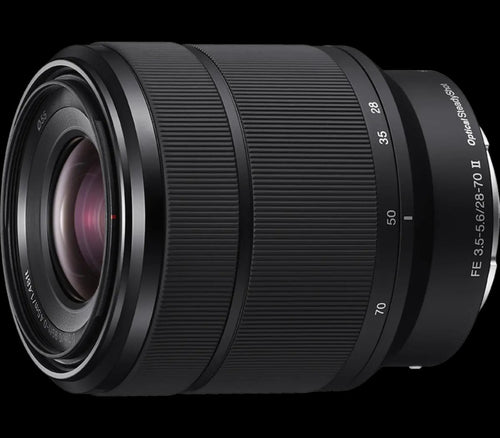
Sony Revives Its Classic Kit Lens: Introducing the FE 28-70mm F3.5-5.6 OSS II
Sony quietly launches the FE 28-70mm F3.5-5.6 OSS II, a long-overdue update to its original full-frame kit lens, bringing modern features to a versatile classic.
-

Motorola and Bose Team Up for "Soundflow" Smart Speaker, a Potential Smart Home Hub
Motorola and Bose are reportedly teaming up to launch the Soundflow, a new smart speaker designed to serve as a stylish and functional smart home hub.
-

Nubia Unveils the Flip 3: The Brand's Lightest Foldable with a Massive 4-Inch Cover Screen
Nubia introduces the Flip 3, its lightest foldable phone ever. Boasting a large 4-inch cover screen and a 6.9-inch main display, it redefines the compact foldable experience.
-

OnePlus x Genshin Impact: Get a Free Kamisato Ayaka Engraving on the Ace 2 Pro
OnePlus offers a limited-time, free engraving of Genshin Impact's Kamisato Ayaka on its Ace 2 Pro, alongside a new Paimon-themed gift box.
-
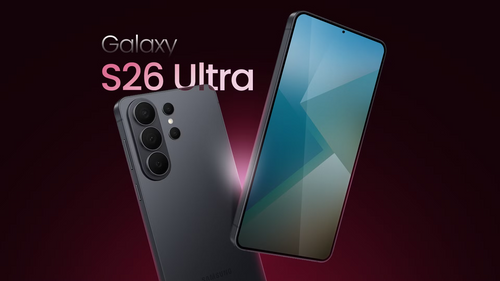
Samsung Galaxy S26 Ultra Rumored to Feature Four Color Options, with Purple as the Hero Shade
New rumors indicate the Samsung Galaxy S26 Ultra will arrive in four colorways, with a distinct purple shade expected to be the signature option for the new flagship.
-

Honor Magic5 Series Gets Major Gaming Boost with Phantom Frame Stabilization Update
The Honor Magic5 series is receiving a major gaming upgrade with the new Phantom Frame Stabilization feature, enhancing performance in 12 popular titles including Genshin Impact.
-
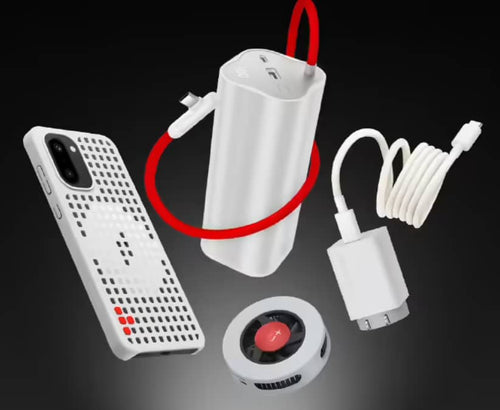
OnePlus Ace 6T Official Accessories Unveiled, Embracing the OPPO Mag Ecosystem
OnePlus has officially announced its new accessory lineup for the upcoming Ace 6T, featuring seamless integration with the OPPO Mag magnetic ecosystem for enhanced functionality and convenience.
-

Motorola Rumored to Launch Dazzling Swarovski Crystal Edge 70 with Pantone's 2026 Color of the Year
Motorola is rumored to release a stunning Swarovski Crystal Edition of the Edge 70, featuring Pantone's 2026 Color of the Year. A perfect blend of technology and luxury awaits.
-

Samsung Galaxy S26 Wallpapers Leak, Revealing Mint Green, Coral Orange, and More
Leaked default wallpapers for the upcoming Samsung Galaxy S26 series reveal a stunning new color palette, hinting at the design and color options for the new flagship phones.
-
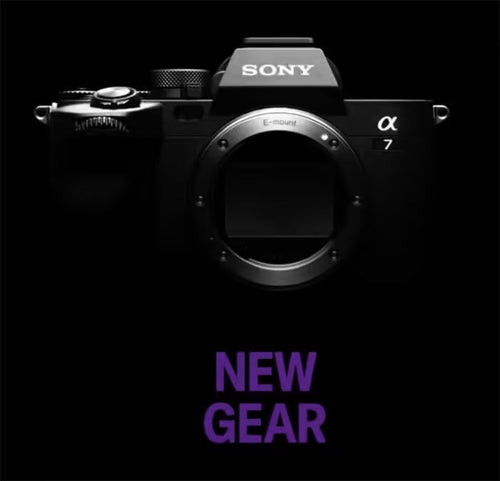
Sony Alpha 7 V Design Revealed: Full-Frame Mirrorless Camera Tipped for December 2nd Launch
Images of the new Sony Alpha 7 V have surfaced, revealing the design of the next-gen full-frame camera ahead of its rumored December 2nd launch.
-
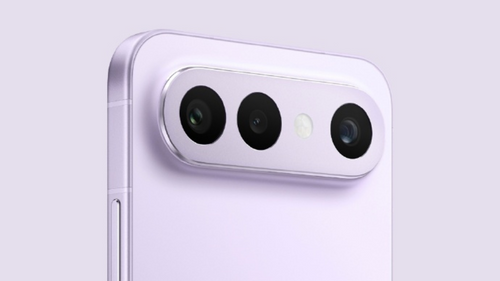
Vivo S50 Pro Mini Rear Design Unveiled: Horizontal Camera and 6.31-Inch Compact Screen Confirmed
The rear design of the upcoming vivo S50 Pro mini has been revealed, confirming a distinctive horizontal camera module and a compact 6.31-inch flat screen for the new device.
-

Explore the Depths: Huawei WATCH Ultimate 2 Launches with Sonar Messaging and Onboard AI
Huawei's new WATCH Ultimate 2 is now on sale, featuring groundbreaking dolphin sonar communication for divers, a built-in AI assistant, and premium materials for ultimate exploration.
-

Huawei Unveils Luxurious "Purple Gold" Edition of its WATCH ULTIMATE DESIGN
Huawei introduces the luxurious WATCH ULTIMATE DESIGN in a new "Purple Gold" colorway, combining premium craftsmanship with cutting-edge technology, now available for 24,999 Yuan.
-
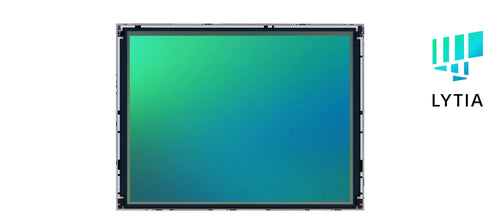
Sony Unveils LYTIA 901: A 200MP Sensor Powerhouse for Next-Gen Flagship Phones
Sony has launched its new flagship mobile image sensor, the LYTIA 901, boasting a 200MP resolution, a large 1/1.12-inch format, and support for 4x single-camera zoom.
-

Snapdragon 8 Gen 6 Rumors: TSMC 2nm Process and Oryon Cores Tipped for Mid-Range Flagships
New rumors for the Snapdragon 8 Gen 6 point to a TSMC 2nm process, custom Oryon CPU cores, and a surprising new target market in the upper-mid-range smartphone segment.
-
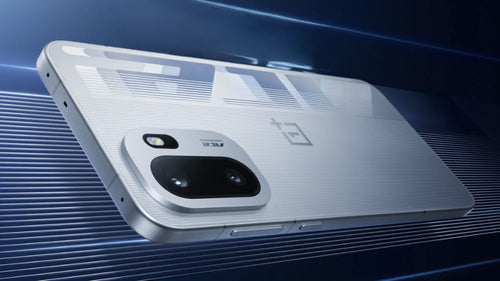
OnePlus Ace 6T Set for December 3 Debut, First to Feature Snapdragon 8 Gen 4
The OnePlus Ace 6T is set for a December 3 launch, confirmed to be the world's first smartphone to feature the powerful new Snapdragon 8 Gen 4 chipset.
-

Samsung's Next-Gen Odyssey OLED G6 Monitor Leaked: A 27-Inch 2K Display Eyeing a 2026 Launch
Samsung is reportedly developing a new 27-inch 2K QD-OLED gaming monitor, the Odyssey OLED G6, with a potential launch slated for CES 2026 and more affordable pricing.
-

Claude Opus 4.5 Arrives: Crushing Coding Tests and Heralding the 'Superman' Era of AI Programming
Anthropic's new Claude Opus 4.5 model redefines AI programming with record-breaking performance, enhanced tool integration, and superior efficiency, marking a new era for developers.
-
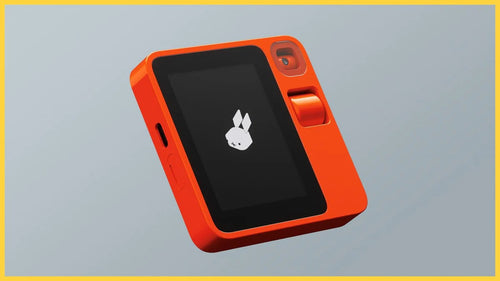
From CES Star to Financial Struggle: What Went Wrong with the Rabbit r1?
Once hailed as an AI pioneer, the Rabbit r1 now faces financial collapse. This is the story of its ambitious rise and precipitous fall.
-

iOS 27 Leaks: A Year of Refinements as Apple Prepares Its Big AI Comeback
Early reports on iOS 27 point to a year of refinement and bug fixes, with Apple's major AI advancements, including a new Siri, slated for a later release.
-
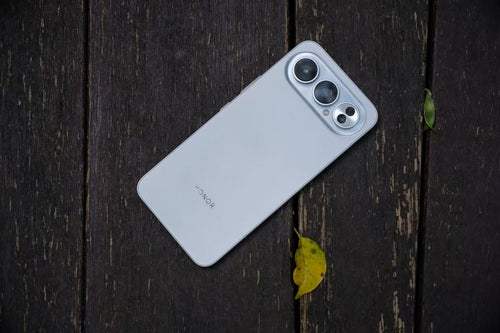
Honor 500 Pro Review: A Textbook Mid-Range Phone with Exceptional Feel and Battery Life
The Honor 500 Pro raises the bar for mid-range phones with its stunning design, powerful 200MP camera, marathon 8000mAh battery, and flagship-level performance. A true all-rounder.
-
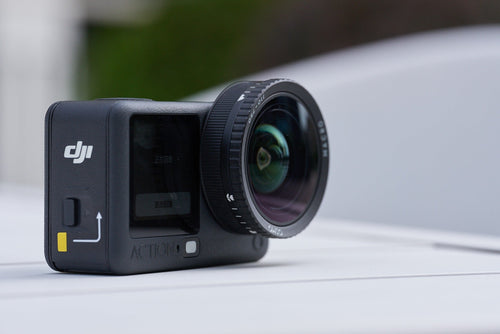
DJI Osmo Action 6 Review: The New Pinnacle of Action Camera Image Quality?
The DJI Osmo Action 6 sets a new standard with its groundbreaking variable aperture, versatile square sensor, and phenomenal battery life, making it the ultimate tool for action videography.
-
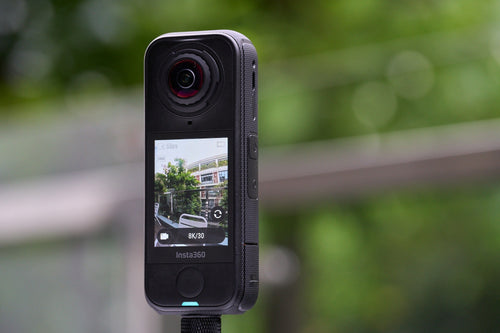
Insta360 X4 Air Review: Making 360 Cameras Accessible and Beginner-Friendly
The Insta360 X4 Air balances 8K quality, portability, and an affordable price, making it the perfect beginner-friendly 360 camera for capturing everything.
-
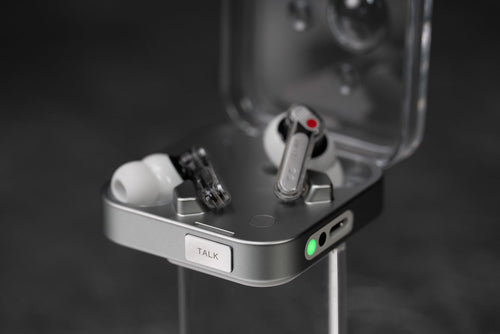
Nothing Ear 3 Review: Where Striking Design Finally Meets Its Sonic Match
The Nothing Ear 3 stands out with its iconic transparent design and finally delivers a balanced, impressive sound quality, making it a rare blend of style and substance.
-
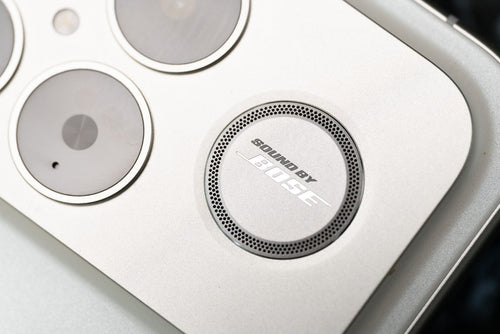
Redmi K90 Pro Max First Look: Is Game-Changing Audio the Key to Success?
The Redmi K90 Pro Max review: A flagship that stands out with its top-tier performance and a revolutionary BOSE-powered 2.1 sound system, carving a new path.
-
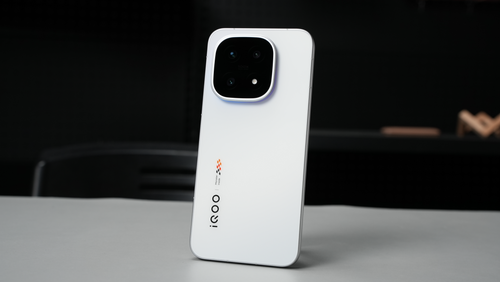
iQOO 15 Review: Perfect Gaming Performance, But Photography Has Its Limits
The iQOO 15 delivers flawless gaming performance with its new Snapdragon chip and 2K 144Hz screen, but its camera capabilities reveal some trade-offs for its gaming-centric design.
-
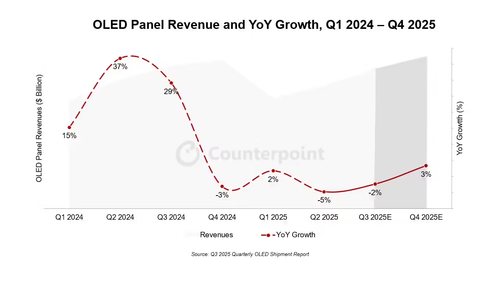
Global OLED Market 2025 Forecast: Samsung Display to Lead with 41% Revenue Share, Says CounterPoint
CounterPoint Research's 2025 OLED market forecast shows Samsung Display leading with 41% revenue share, amidst a market recovery driven by laptops and monitors.
-
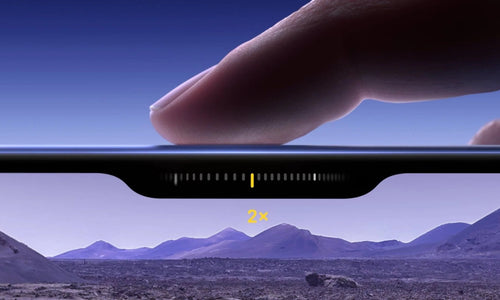
The Rise and Swift Fall of the Camera Button: Is Apple's Experiment Over?
Apple's camera button, once hailed as a pro feature and copied by rivals, is rumored to be on its way out. Here’s what went wrong.
-
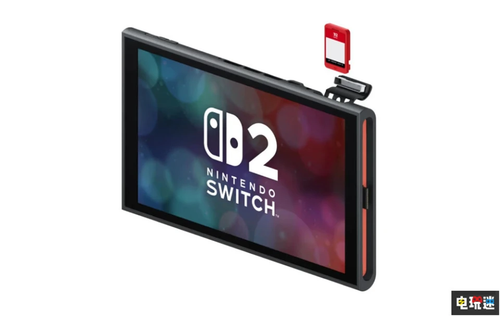
Report: Nintendo Switch 2 Cartridges to Use 3D NAND for Lower Costs and Higher Capacity
A report from supply chain partner Macronix suggests Nintendo Switch 2 game cartridges will utilize 3D NAND flash, aiming for lower costs and larger storage capacities.
-
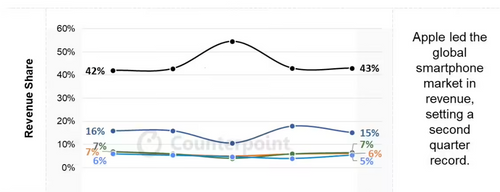
Global Smartphone Market Hits Record $100B in Q2 2025, Apple Dominates Revenue
The global smartphone market reached a record $100 billion in revenue in Q2 2025, with Apple capturing 43% of the total, according to a new Counterpoint Research report.


