-

Heyup Valentine’s Guide to Relationship Tech
Upgrade your connection this Valentine’s Day with Heyup’s 2026 guide to "Relationship Tech." We’ve moved beyond grand gestures to focus on Synchronicity—using tech to align rhythms and eliminate daily frictions.
-

Xiaomi Announces REDMI Buds 8: Launching April 21 with 50dB Wide-Band Noise Cancellation
Xiaomi has officially announced the Redmi Buds 8, launching on April 21 with impressive 50dB noise cancellation, 11mm dynamic drivers, and a sleek new design in three colors.
-

Apple Reportedly Revolutionizing Watch Repairs with Same-Day In-Store System Restores
Apple is reportedly introducing in-store system restores for the Apple Watch, allowing for convenient same-day repairs and eliminating the need for lengthy mail-in service.
-

Huawei WATCH Buds 2: The Innovative 2-in-1 Smartwatch and Earbuds Set for April 20 Launch
Huawei is set to unveil its next-generation 2-in-1 smartwatch and earbuds, the WATCH Buds 2, at its new product launch event on April 20th.
-

Toshiba Unveils Stylish Metallic Blue Canvio Flex Drive, Exclusive to EMEA Region
Toshiba introduces a stylish new Metallic Blue Canvio Flex portable hard drive, available exclusively in the EMEA region with versatile cross-platform compatibility and up to 4TB of storage.
-

Apple Unveils New Apple Watch Activity Challenges for Earth Day and International Dance Day
Get ready to move! Apple is launching two new Activity Challenges for Apple Watch users in April to celebrate Earth Day and International Dance Day with exclusive rewards.
-

Apple's Smart Glasses: Why the 'iPhone Moment' for Wearables is Finally Coming
Apple's upcoming smart glasses, codenamed N50, are set to redefine the market with a focus on design and ecosystem, heralding an 'iPhone moment' for wearable technology.
-
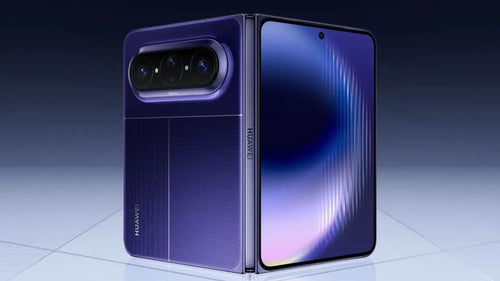
Huawei Pura X Max Officially Announced: The Industry's First Wide Horizontal Foldable Phone
Huawei has officially unveiled the Pura X Max, the industry's first wide horizontal foldable smartphone, scheduled for a full launch on April 20th alongside the Pura 90 series.
-
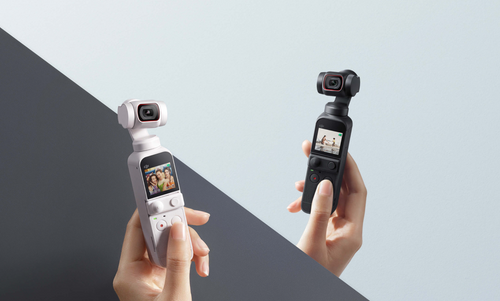
From Niche Gadget to Mainstream Hit: Deconstructing the DJI Pocket's Success Ahead of the Pocket 4
Discover how the DJI Pocket series, especially the Pocket 3, revolutionized personal video capture, and what we can expect from the upcoming Pocket 4.
-
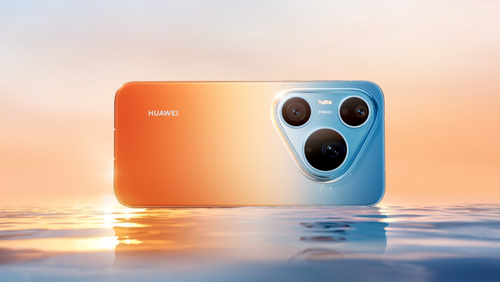
Huawei Unveils Pura 90 Series and a New "Wide-Foldable" to Challenge the Market
Huawei has officially announced the Pura 90 series, featuring a radical camera system, and a new 'wide-foldable' phone, set to be unveiled at its upcoming April 20th event.
-

Razer Unveils Hammerhead V3 HyperSpeed: Game-Changing Earbuds with an Integrated Receiver Case
Razer launches the Hammerhead V3 HyperSpeed gaming earbuds, featuring a unique charging case that doubles as a 2.4GHz wireless receiver for ultra-low latency audio.
-

Apple's New Playbook: Why the Next iPhone Lineup Will Look a Lot Like Xiaomi's
Apple is abandoning its minimalist approach, preparing to launch a vast new iPhone lineup to compete with Android brands at every price point, shaking up the entire smartphone market.
-

Huawei Pura Series Launch Officially Set for April 20, Pura 90 Pro Max Design Revealed
Huawei has scheduled its Pura series and all-scenario product launch for April 20th, where the new Pura 90 Pro Max design with its unique camera module has been revealed.
-

Huawei WATCH Ultimate 2 'Wilderness Green' Launches with Advanced Satellite and Sonar Tech
Huawei's new WATCH Ultimate 2 'Wilderness Green' edition is now available, featuring advanced satellite and sonar communication technology for extreme explorers, priced at 7999 Yuan.
-

From Game Console to Classic Mac: Developer successfully Ports Mac OS X to Nintendo Wii
In an impressive feat of retro-engineering, a developer has successfully booted and run Apple's classic Mac OS X Cheetah on a standard Nintendo Wii console.
-

OPPO Enco Clip 2 Specs Revealed: Apple Voice Commands and 40-Hour Battery Life
OPPO's upcoming Enco Clip 2 ear-clip earbuds feature a stylish design, exclusive Apple voice command support, a 40-hour battery life, and advanced AI call noise cancellation.
-

The Art of Invisibility: OPPO's Vision for Computational Photography
An exclusive look into OPPO's imaging philosophy, where the best computational photography is the kind you don't even notice, aiming for ultimate realism in every shot.
-

Lenovo Unveils Featherlight ThinkPad X13 Gen 7 with Next-Gen AI Processors
Lenovo has unveiled the ThinkPad X13 Gen 7, its lightest model ever, featuring next-generation Intel and AMD AI processors for ultimate portability and performance.
-

Get a First Look at Android 17: vivo Launches Developer Preview for X300 Pro & iQOO 15
vivo has launched the Android 17 Developer Preview, offering an early look at the new OS on the X300 Pro and iQOO 15 models for developers.
-

Samsung Display Hits 5 Million QD-OLED Monitor Panel Milestone, Showcasing Explosive Growth
Samsung Display has shipped 5 million QD-OLED monitor panels, signaling rapid market adoption and cementing its dominance in the high-end display sector with explosive growth.
-

Motorola Razr 70 Ultra (2026) Renders Leaked, Revealing New Design and Triple Cameras
Official renders of the upcoming Motorola Razr 70 Ultra (2026) have been leaked, offering a first look at the new flip phone's design, colors, and camera system.
-

Dyson Shrinks its Bladeless Tech: Introducing the $99 HushJet Mini Cool Handheld Fan
Dyson shrinks its iconic bladeless technology into the new HushJet Mini Cool, a powerful, portable handheld fan designed for personal cooling on the go. Priced at $99.
-

OPPO Find X9s Pro Leaks Reveal Striking Design and Flagship Specs
Leaked renders and specs showcase the upcoming OPPO Find X9s Pro, detailing its four color options, 200MP camera system, and a massive 7025mAh battery ahead of its official launch.
-

Intel and SambaNova Forge Alliance for a Groundbreaking Heterogeneous AI Inference Solution
Intel and SambaNova announce a groundbreaking heterogeneous AI inference solution, leveraging a unique combination of three specialized processors to overcome the limitations of current GPU-only systems.
-

Honor MagicBook 16 2026 First Look: A Powerhouse with a 92Wh Battery and 180Hz Display
A preview of the Honor MagicBook 16 2026, a thin and light laptop boasting a massive 92Wh battery, an 88W performance mode, and a 180Hz gaming display.
-
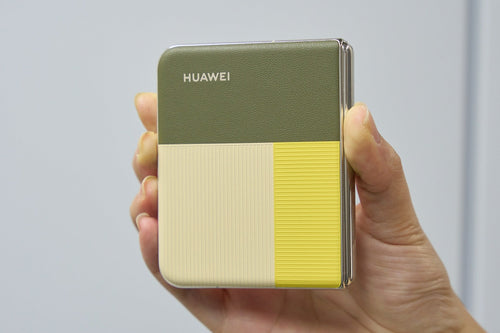
Huawei Pura X2 to Redefine Foldables? Why Small Folds are Out and Large Wide-Folds are In
Huawei's upcoming Pura X2 signifies a major shift, abandoning the compact Pura X design for a larger, more practical wide-foldable, setting a new direction for the industry.
-
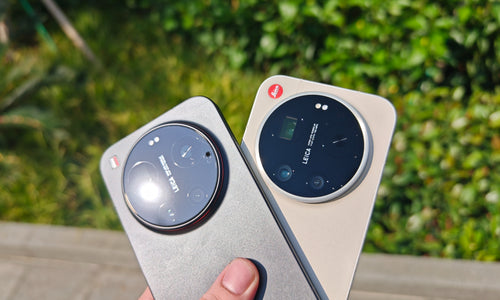
Do Camera Lens Protectors Ruin Your Photos? A $2 Test with Surprising Results
A real-world test reveals the surprising truth about cheap camera lens protectors: they can severely degrade your flagship phone's photo quality. Here’s why you should avoid them.
-
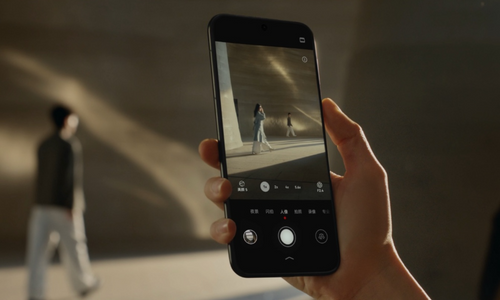
No More Holding Back: Huawei's Pura 90 Goes All-In with a 1-Inch Sensor and Gradient Colors
Huawei's upcoming Pura 90 series signals a major comeback with radical camera upgrades, a refined design, and a mature HarmonyOS, aiming to reclaim its flagship status.
-
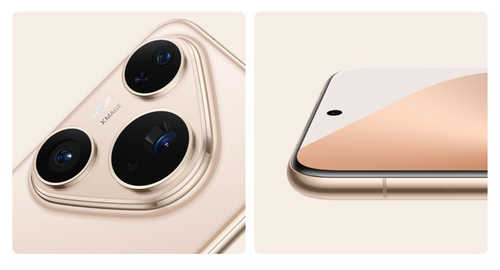
April's Smartphone War: OPPO and Huawei Clash with Breakthrough Cameras and Extreme Tech
The smartphone arms race is on. April brings radical innovations from OPPO, Huawei, Honor, and Redmi, moving far beyond simple incremental upgrades to solve specific user needs.
-

Apple's New AirPods Max 2 Hit the Shelves: Featuring H2 Chip, Adaptive Audio, and Real-Time Translation
Apple's AirPods Max 2 are now available, featuring the H2 chip. Key upgrades include Adaptive Audio, enhanced noise cancellation, and a new real-time translation function.
-

OpenAI Shatters Records with $122B Funding, Eyes Trillion-Dollar Valuation Ahead of IPO
OpenAI has just closed a historic $122 billion funding round, rocketing its valuation to $852 billion and signaling a major strategic shift towards profitability ahead of its IPO.
-
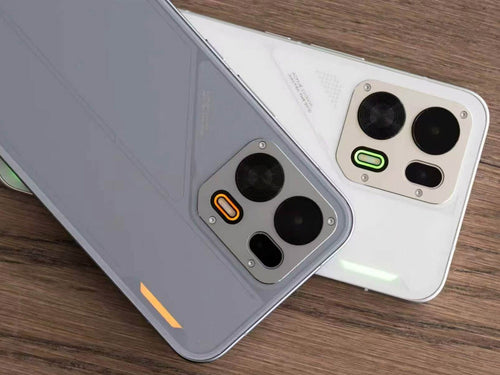
OPPO K15 Pro+ Specs Officially Revealed: A Gaming Powerhouse with Dimensity 9500s and 165Hz Display
OPPO officially unveils the K15 Pro+, a gaming powerhouse featuring the Dimensity 9500s chip, a 1.5K 165Hz display, and a massive 8000mAh battery with active cooling.
-
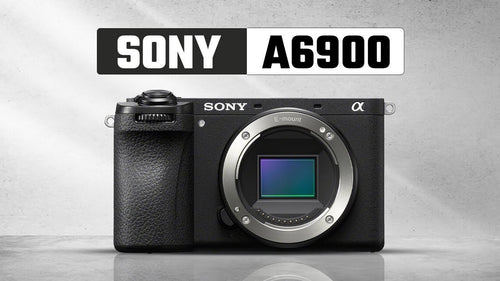
Sony's AI-Powered Counter-Attack: Can the A6900 Defend Cameras Against Smartphones?
Sony is fighting back against smartphones with its rumored AI-powered A6900. But is superior image quality enough to overcome the convenience of a phone? Let's find out.
-

WWDC 2026: A Look at Apple's Most Important Launch as a Revamped Siri Gets Ready to Take Over Your iPhone
Apple's WWDC 2026 will showcase a completely reimagined, AI-powered Siri set to integrate deeply into iOS 27, alongside a new partnership with Google and advanced hardware capabilities.
-

Elevate Your Mobile Photography: vivo Unveils Pro-Level Photographer Kits for X300 Ultra & X300s
vivo introduces professional and lightweight Photographer Kits for its upcoming X300 Ultra and X300s smartphones, designed to elevate the mobile photography experience with dedicated accessories.
-

Huawei's Spring Launch: A Super-Performance Flagship Debuts and Old Favorites Return
Huawei unveils its super-performance flagship, the Mate 80 Pro Max, alongside a fully upgraded Enjoy 90 series and the return of popular wearables and monitors after five years.
-

Breathing New Life into a Classic: A $25 IPS Screen Upgrade for a 14-Year-Old ThinkPad X230
A YouTuber successfully modernized a classic 2012 Lenovo ThinkPad X230 by swapping its outdated TN display for a much-improved $25 IPS panel, significantly enhancing its visual quality.
-

Wired Headphones Are Back: Why a 20% Sales Surge is Fueled by Fashion and Gen Z's 'Reverse Upgrade'
After years of decline, wired headphones are making a shocking comeback. Discover the surprising reasons behind this retro tech revival, driven by fashion, celebrities, and Gen Z.
-

PineTime Pro: The Open-Source Smartwatch Gets a Major Upgrade with AMOLED, GPS, and More
Pine64 has announced the upcoming PineTime Pro, a significant upgrade to its open-source smartwatch, featuring an AMOLED screen, GPS, and a blood oxygen sensor.
-
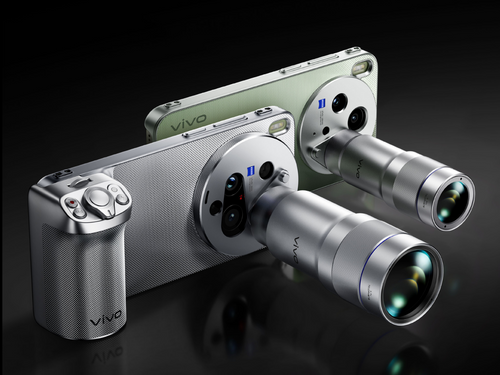
vivo X300 Ultra Camera Specs Revealed: A Professional-Grade System in Your Pocket?
vivo's X300 Ultra aims to redefine mobile imaging with a professional-grade camera system, a groundbreaking Sony sensor, and advanced AI features, positioning it as a true pocket-sized creative tool.
-
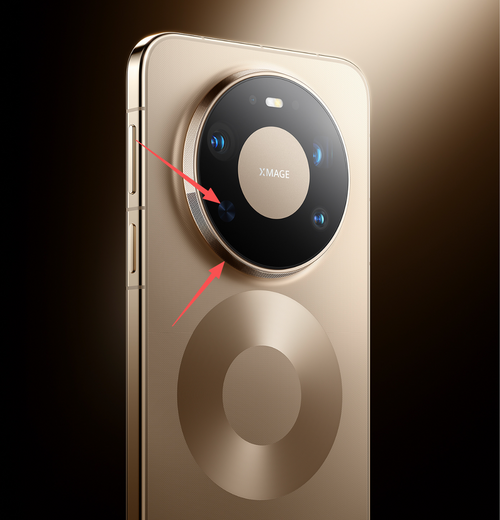
Huawei's Fan-Cooled Mate 80: Brute-Force Cooling or a Stroke of Genius?
Huawei's upcoming Mate 80 may feature a built-in fan. We explore if this 'brute-force cooling' is a necessary evolution for flagship performance or just a gimmick.
-
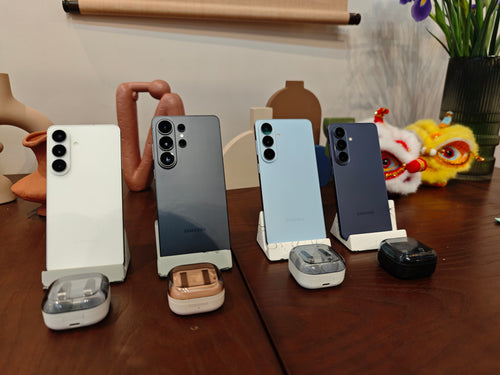
Samsung S26 Ultra Hands-On: A Practical Powerhouse with a Groundbreaking Privacy Screen and Smarter AI
A hands-on look at the Samsung S26 Ultra, which impresses with its innovative privacy screen, faster charging, and a suite of genuinely useful AI-powered features.
-
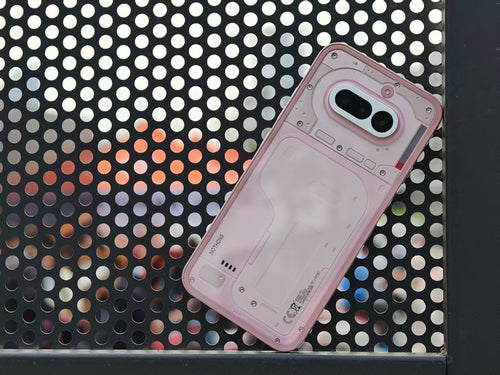
Nothing Phone (4a) Review: A Mature Design, Sufficient Specs, and a Refreshing Anti-AI Camera
A review of the Nothing Phone (4a), highlighting its more mature design, mid-range specs, and a unique, restrained approach to AI-powered photography.
-

OnePlus Nord Buds 4 Pro Launched Globally with 55dB ANC and LHDC 5.0 Support
OnePlus has officially launched the Nord Buds 4 Pro internationally, featuring powerful 55dB active noise cancellation, Hi-Res Audio with LHDC 5.0, and an impressive 54-hour battery life.
-

Plaud Note Pro Review: The Pros and Cons of the Original AI Recording Card
After testing the Plaud Note Pro, we delve into the pros and cons of this pioneering AI recording card, from its design trade-offs to its powerful AI capabilities.
-
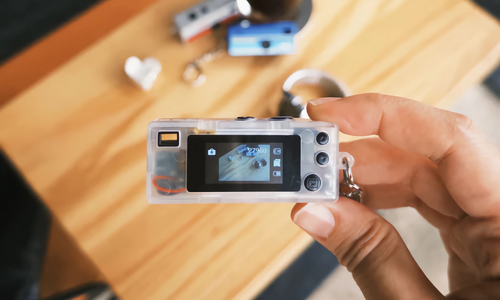
The $30 Kodak Camera That's Selling Out: Nostalgic Genius or a Final Struggle?
Kodak's Charmera keychain camera is a viral sensation despite its poor image quality. This tiny, retro-inspired gadget combines nostalgia with a clever blind-box marketing strategy.
-

Honor WIN Hands-On Review: A 10,000mAh Gaming Beast with a Built-in Fan and 3x Telephoto
The Honor WIN gaming phone pushes boundaries with its massive 10,000mAh battery, active cooling fan, and a versatile 3x telephoto lens, delivering performance beyond expectations.
-
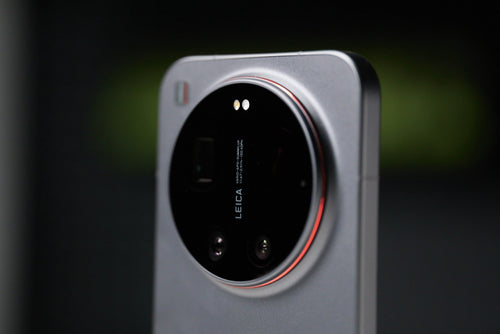
Xiaomi 17 Ultra In-Depth Review: Continuous Optical Zoom + APO Triplet Lens—Has the Phone of the Year Arrived Early?
An in-depth look at the Xiaomi 17 Ultra, featuring a revolutionary continuous optical zoom camera, an APO lens, and exceptional image quality that sets a new industry standard.
-
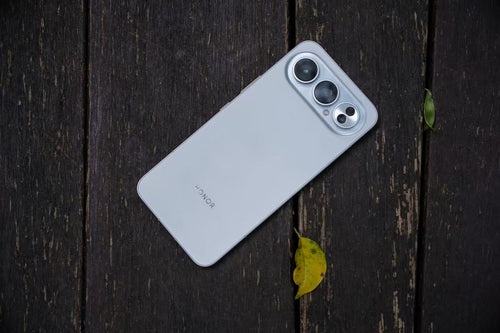
Honor 500 Pro Review: A Textbook Mid-Range Phone with Exceptional Feel and Battery Life
The Honor 500 Pro raises the bar for mid-range phones with its stunning design, powerful 200MP camera, marathon 8000mAh battery, and flagship-level performance. A true all-rounder.
-
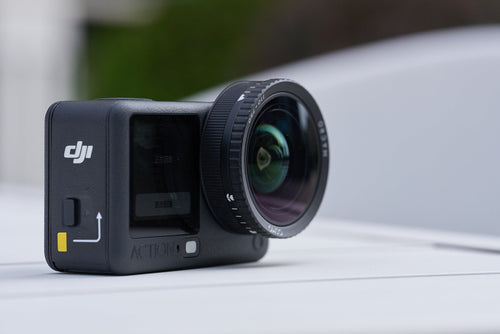
DJI Osmo Action 6 Review: The New Pinnacle of Action Camera Image Quality?
The DJI Osmo Action 6 sets a new standard with its groundbreaking variable aperture, versatile square sensor, and phenomenal battery life, making it the ultimate tool for action videography.
-
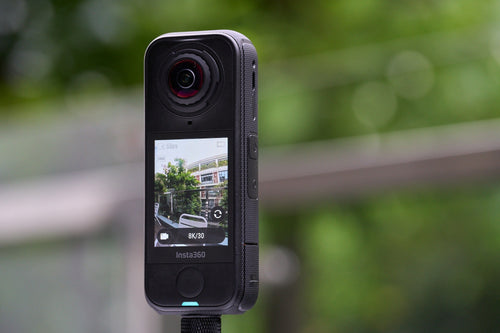
Insta360 X4 Air Review: Making 360 Cameras Accessible and Beginner-Friendly
The Insta360 X4 Air balances 8K quality, portability, and an affordable price, making it the perfect beginner-friendly 360 camera for capturing everything.
-
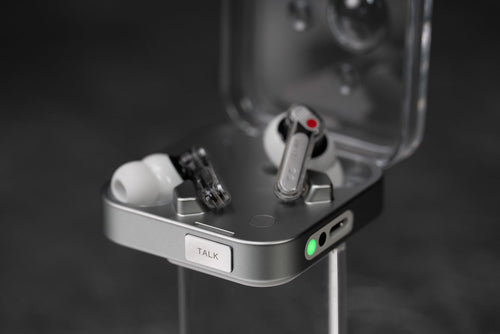
Nothing Ear 3 Review: Where Striking Design Finally Meets Its Sonic Match
The Nothing Ear 3 stands out with its iconic transparent design and finally delivers a balanced, impressive sound quality, making it a rare blend of style and substance.
-
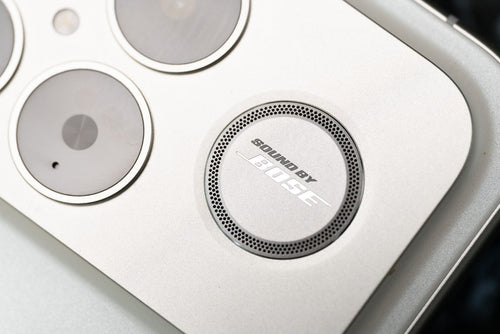
Redmi K90 Pro Max First Look: Is Game-Changing Audio the Key to Success?
The Redmi K90 Pro Max review: A flagship that stands out with its top-tier performance and a revolutionary BOSE-powered 2.1 sound system, carving a new path.
-
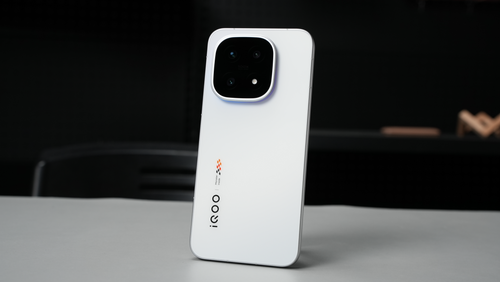
iQOO 15 Review: Perfect Gaming Performance, But Photography Has Its Limits
The iQOO 15 delivers flawless gaming performance with its new Snapdragon chip and 2K 144Hz screen, but its camera capabilities reveal some trade-offs for its gaming-centric design.
-
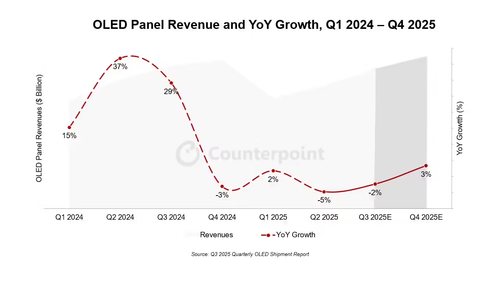
Global OLED Market 2025 Forecast: Samsung Display to Lead with 41% Revenue Share, Says CounterPoint
CounterPoint Research's 2025 OLED market forecast shows Samsung Display leading with 41% revenue share, amidst a market recovery driven by laptops and monitors.
-
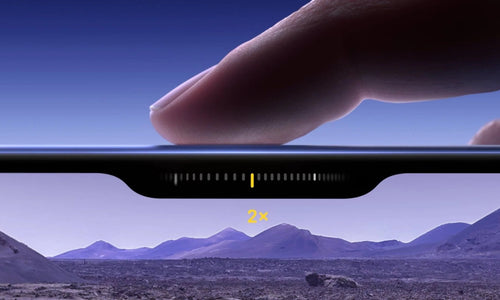
The Rise and Swift Fall of the Camera Button: Is Apple's Experiment Over?
Apple's camera button, once hailed as a pro feature and copied by rivals, is rumored to be on its way out. Here’s what went wrong.
-
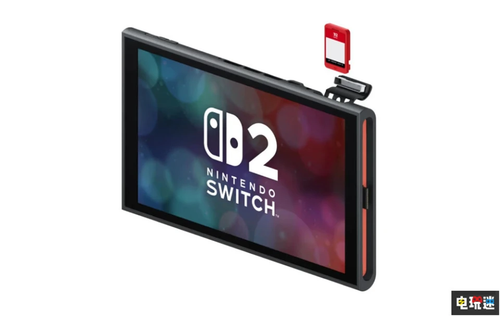
Report: Nintendo Switch 2 Cartridges to Use 3D NAND for Lower Costs and Higher Capacity
A report from supply chain partner Macronix suggests Nintendo Switch 2 game cartridges will utilize 3D NAND flash, aiming for lower costs and larger storage capacities.
-
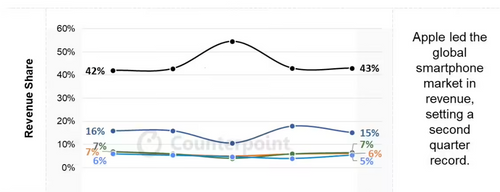
Global Smartphone Market Hits Record $100B in Q2 2025, Apple Dominates Revenue
The global smartphone market reached a record $100 billion in revenue in Q2 2025, with Apple capturing 43% of the total, according to a new Counterpoint Research report.


