When Hype Meets Reality: The Story Behind “Friend,” the AI Companion
Over the past two years, we’ve seen a wave of AI devices hit the market. After nearly a year of eager anticipation, Friend finally shipped — but sadly, it hasn’t lived up to expectations.
Looks That Promise, Feels That Disappoint
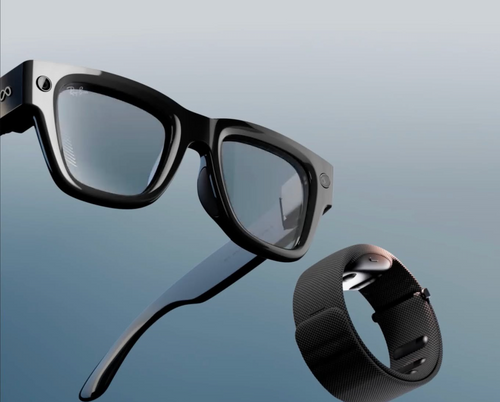
On paper — and in pictures — the “Friend” device looked premium. Smooth finishes, warm lighting, and a futuristic yet comforting design. But once in hand, users found it lightweight in the wrong way — the plastic feel didn’t match the high-end image in the promos. The first impression, instead of delight, was disappointment.

“Emotional Toy” or Overpromised Gadget?
Marketed as an AI companion that listens and responds to ease loneliness, Friend’s main pitch was empathy through technology.  The catch? It doesn’t actually speak. Users must connect it to a phone app for text-based responses. Delayed reactions, awkwardly phrased answers, and at times even tone-deaf replies made the supposed “emotional toy” feel emotionally unavailable.

Powering Down Too Soon
While the official claim boasted 15 hours of battery life, testers reported only about four hours before needing another charge. The frequent recharging cycle became yet another barrier to building any sense of companionship.
Always Listening — A Little Too Closely
Although the founder assured that “data is processed locally,” users soon learned that the microphone is always active, continuously collecting ambient sound. The privacy policy allows data usage for “product improvement,” leaving many uneasy. The question became not just what Friend hears — but who else might.
What the Backlash Reveals
Tech Power vs. User Experience
Friend’s struggles highlight a common tension in the AI hardware scene: ambitious software running on underpowered hardware. A powerful cloud-based model can’t save a weak microphone, laggy connectivity, or a short-lived battery. It’s a reminder that smart design isn’t just code — it’s craftsmanship.
When Companionship Crosses a Line
The product’s pitch — “fighting loneliness” —Psychologist Sherry Turkle calls it “Alone Together”—we’re constantly checking our statuses, but rarely engaging in real, deep conversations; we have hundreds of “friends” but can’t find a single person to talk to late at night.which invites deeper reflection. Can an algorithm truly meet human emotional needs? Or does it offer a comforting illusion that keeps people from forming genuine connections? Emotional AI is a powerful idea, but without ethical grounding, it risks creating dependence instead of support.
Selling a Story Instead of a Solution
Friend’s creators spent millions on marketing — from a $1.8M domain name to flashy New York subway ads — painting a story of innovation and intimacy. But when the product fell short, so did public trust. The lesson? In tech, overpromising doesn’t just hurt sales — it erodes belief in the entire category.

The Takeaway
Friend’s rise and fall remind us of a simple truth: technology should serve human needs, not simulate them. Developers owe users real performance and clear privacy. Consumers, in turn, should approach “emotional AI” with both curiosity and caution. The line between comforting tool and digital illusion can be thinner than we think.