Apple's New AI Hardware Leaked: A Successor to the iPhone or a Repeat of the Failed AI Pin?
A decade after the iPhone X redefined the smartphone with its full-screen design, Apple's next revolutionary product might not be a phone at all. Instead, it could be a wearable AI device clipped to your chest, marking a significant shift in personal computing.

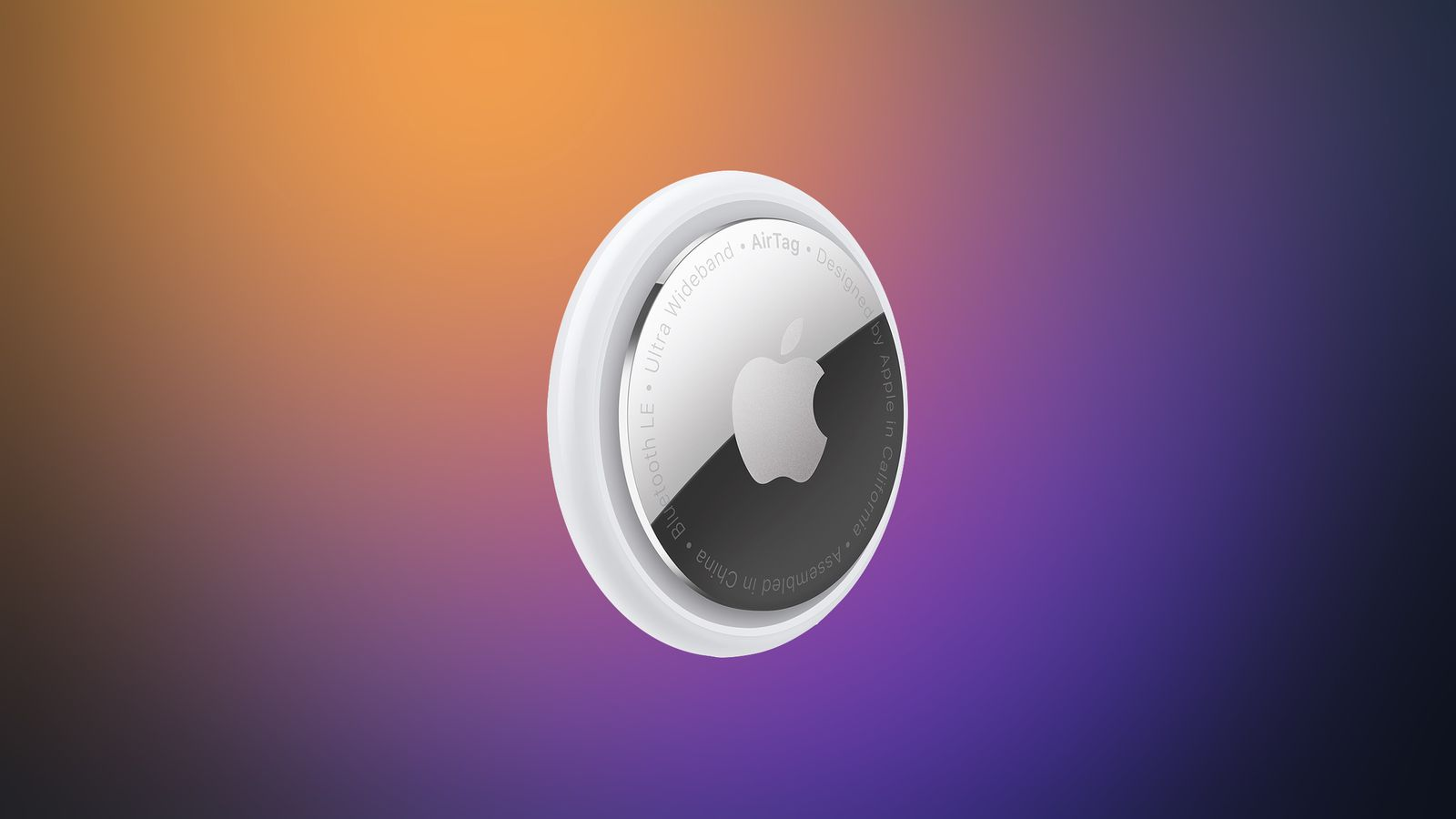
According to a report from The Information, Apple is secretly developing a wearable AI device. Resembling an AirTag in its design, it features a microphone and camera, intended to be worn by the user as an all-day personal AI assistant. This concept is strikingly similar to the Humane AI Pin, a device that once generated immense hype but quickly faded into obscurity. The news has left many puzzled, questioning why Apple would draw inspiration from a product that sold less than 10,000 units and was widely considered a failure. However, with Apple entering the AI pendant market, it could potentially legitimize and revitalize the entire category.
Apple's AI Pin: Struggling with the Core Problem of AI Wearables
Leaked details suggest Apple's device will feature two cameras (wide and ultra-wide), a dedicated microphone and speaker, and be powered by Apple Intelligence. It's expected to be similar in size to an AirTag and support wireless charging via Apple Watch chargers. The device is rumored for a 2027 release with an initial production run of 20 million units, possibly bundled with the iPhone 19 series to boost adoption. Interestingly, Humane, the company behind the AI Pin, was founded by a team of ex-Apple engineers, suggesting Apple still has faith in its former talent's vision. However, the AI Pin's failure highlights the significant hurdles. Users reported limited functionality, slow performance, and inaccurate AI responses. Its high price of $699, plus a $24 monthly subscription, further alienated consumers, leading to its discontinuation within two years.
Curing Apple's AI Anxiety with New Hardware
Apple's recent moves in AI, including integrating Google's Gemini and developing various AI devices, signal a strategy to reclaim its leadership in the tech landscape. The development of an AI Pin-like device is a defensive maneuver. While the original AI Pin was a commercial failure, its core idea of screenless interaction was innovative. Apple is positioning itself for a future where interaction with AI may not require a screen. This anxiety is shared by competitors like OpenAI, which is also exploring hardware to avoid being just an app on another company's operating system. For Apple, the fear isn't about having the most powerful AI model, but about losing control of the user interaction framework if habits shift from tapping on screens to simply speaking to an AI. This hardware exploration is less about finding the next blockbuster and more about securing a strategic fallback.

Apple's AI Pin Needs a Killer Feature
The AI pendant market is a growing trend, but many new products are learning from the AI Pin's mistakes. Instead of trying to be an all-encompassing "AI new species," they focus on a single core function, such as health monitoring or emotional companionship. Products like Nirva's emotion-tracking jewelry or the AI companion Friend emphasize a low-presence, ambient role in a user's life rather than actively trying to solve every problem. For Apple's device to succeed, it must offer a truly groundbreaking and indispensable capability that changes user habits. This could be the ability to proactively provide suggestions by understanding a user's schedule and environment, or reliably manage information without a screen. One area where Apple could excel is leveraging its powerful accessibility features for such a device.

Ultimately, like the Vision Pro, Apple's foray into AI wearables is more about exploration than immediate market dominance. For these devices to truly capture the market, they must evolve from simply responding to user commands to providing long-term, seamless, and proactive assistance, becoming an intuitive extension of the user.


Leave a comment