-

Heyup Valentine’s Guide to Relationship Tech
Upgrade your connection this Valentine’s Day with Heyup’s 2026 guide to "Relationship Tech." We’ve moved beyond grand gestures to focus on Synchronicity—using tech to align rhythms and eliminate daily frictions.
-
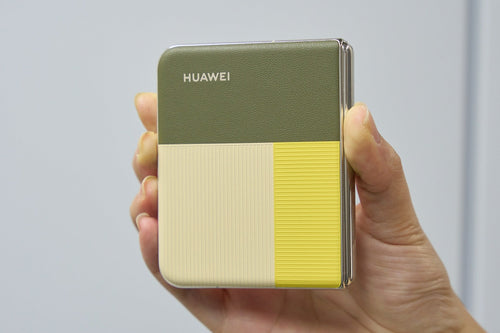
Huawei Pura X2 to Redefine Foldables? Why Small Folds are Out and Large Wide-Folds are In
Huawei's upcoming Pura X2 signifies a major shift, abandoning the compact Pura X design for a larger, more practical wide-foldable, setting a new direction for the industry.
-
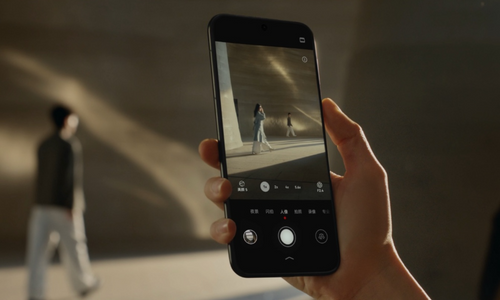
No More Holding Back: Huawei's Pura 90 Goes All-In with a 1-Inch Sensor and Gradient Colors
Huawei's upcoming Pura 90 series signals a major comeback with radical camera upgrades, a refined design, and a mature HarmonyOS, aiming to reclaim its flagship status.
-
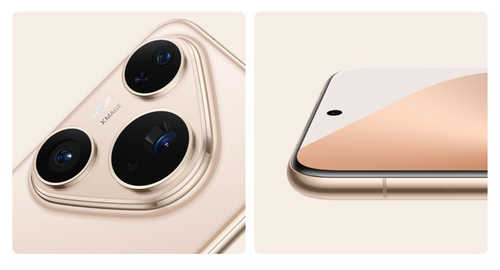
April's Smartphone War: OPPO and Huawei Clash with Breakthrough Cameras and Extreme Tech
The smartphone arms race is on. April brings radical innovations from OPPO, Huawei, Honor, and Redmi, moving far beyond simple incremental upgrades to solve specific user needs.
-

Apple's New AirPods Max 2 Hit the Shelves: Featuring H2 Chip, Adaptive Audio, and Real-Time Translation
Apple's AirPods Max 2 are now available, featuring the H2 chip. Key upgrades include Adaptive Audio, enhanced noise cancellation, and a new real-time translation function.
-

OpenAI Shatters Records with $122B Funding, Eyes Trillion-Dollar Valuation Ahead of IPO
OpenAI has just closed a historic $122 billion funding round, rocketing its valuation to $852 billion and signaling a major strategic shift towards profitability ahead of its IPO.
-
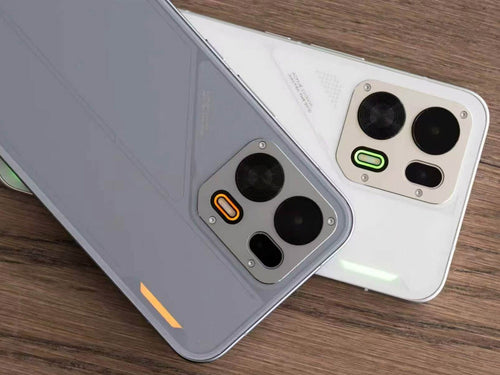
OPPO K15 Pro+ Specs Officially Revealed: A Gaming Powerhouse with Dimensity 9500s and 165Hz Display
OPPO officially unveils the K15 Pro+, a gaming powerhouse featuring the Dimensity 9500s chip, a 1.5K 165Hz display, and a massive 8000mAh battery with active cooling.
-
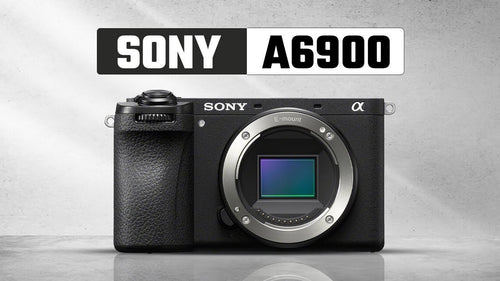
Sony's AI-Powered Counter-Attack: Can the A6900 Defend Cameras Against Smartphones?
Sony is fighting back against smartphones with its rumored AI-powered A6900. But is superior image quality enough to overcome the convenience of a phone? Let's find out.
-

WWDC 2026: A Look at Apple's Most Important Launch as a Revamped Siri Gets Ready to Take Over Your iPhone
Apple's WWDC 2026 will showcase a completely reimagined, AI-powered Siri set to integrate deeply into iOS 27, alongside a new partnership with Google and advanced hardware capabilities.
-

Elevate Your Mobile Photography: vivo Unveils Pro-Level Photographer Kits for X300 Ultra & X300s
vivo introduces professional and lightweight Photographer Kits for its upcoming X300 Ultra and X300s smartphones, designed to elevate the mobile photography experience with dedicated accessories.
-

Huawei's Spring Launch: A Super-Performance Flagship Debuts and Old Favorites Return
Huawei unveils its super-performance flagship, the Mate 80 Pro Max, alongside a fully upgraded Enjoy 90 series and the return of popular wearables and monitors after five years.
-

Breathing New Life into a Classic: A $25 IPS Screen Upgrade for a 14-Year-Old ThinkPad X230
A YouTuber successfully modernized a classic 2012 Lenovo ThinkPad X230 by swapping its outdated TN display for a much-improved $25 IPS panel, significantly enhancing its visual quality.
-

Wired Headphones Are Back: Why a 20% Sales Surge is Fueled by Fashion and Gen Z's 'Reverse Upgrade'
After years of decline, wired headphones are making a shocking comeback. Discover the surprising reasons behind this retro tech revival, driven by fashion, celebrities, and Gen Z.
-

PineTime Pro: The Open-Source Smartwatch Gets a Major Upgrade with AMOLED, GPS, and More
Pine64 has announced the upcoming PineTime Pro, a significant upgrade to its open-source smartwatch, featuring an AMOLED screen, GPS, and a blood oxygen sensor.
-
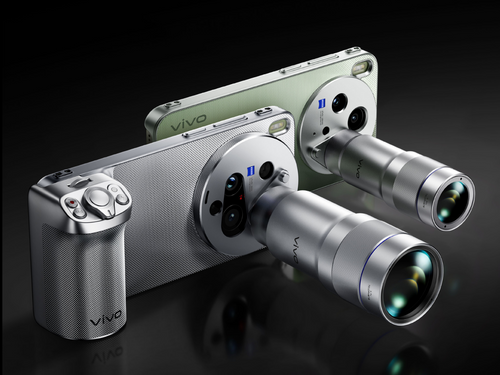
vivo X300 Ultra Camera Specs Revealed: A Professional-Grade System in Your Pocket?
vivo's X300 Ultra aims to redefine mobile imaging with a professional-grade camera system, a groundbreaking Sony sensor, and advanced AI features, positioning it as a true pocket-sized creative tool.
-
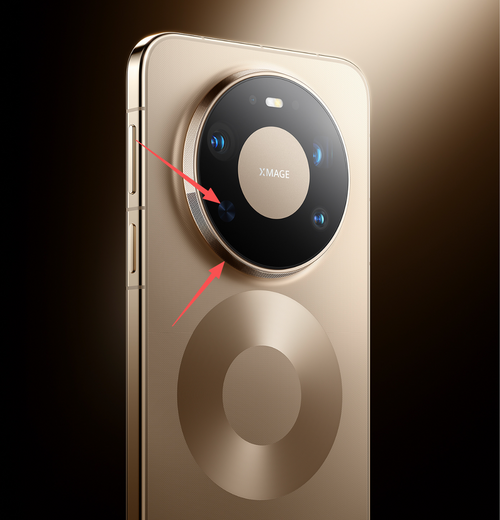
Huawei's Fan-Cooled Mate 80: Brute-Force Cooling or a Stroke of Genius?
Huawei's upcoming Mate 80 may feature a built-in fan. We explore if this 'brute-force cooling' is a necessary evolution for flagship performance or just a gimmick.
-
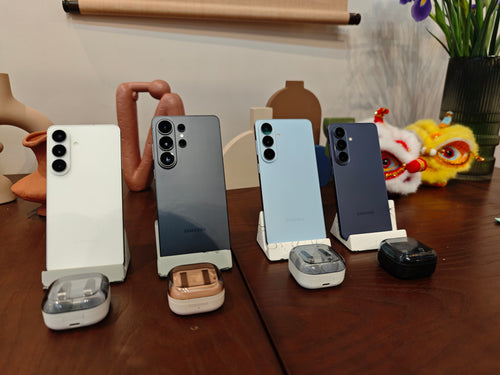
Samsung S26 Ultra Hands-On: A Practical Powerhouse with a Groundbreaking Privacy Screen and Smarter AI
A hands-on look at the Samsung S26 Ultra, which impresses with its innovative privacy screen, faster charging, and a suite of genuinely useful AI-powered features.
-
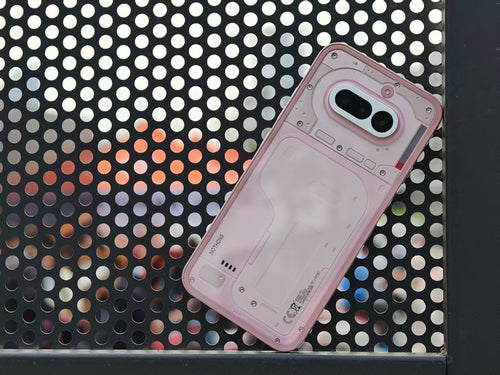
Nothing Phone (4a) Review: A Mature Design, Sufficient Specs, and a Refreshing Anti-AI Camera
A review of the Nothing Phone (4a), highlighting its more mature design, mid-range specs, and a unique, restrained approach to AI-powered photography.
-

OnePlus Nord Buds 4 Pro Launched Globally with 55dB ANC and LHDC 5.0 Support
OnePlus has officially launched the Nord Buds 4 Pro internationally, featuring powerful 55dB active noise cancellation, Hi-Res Audio with LHDC 5.0, and an impressive 54-hour battery life.
-

Why the Apple Watch is a Game-Changer for Managing Atrial Fibrillation
Apple's new AFib History feature is a powerful tool for diagnosed patients to track their condition. We explore how it works with an Apple clinical specialist.
-

OnePlus 15T Goes All-In: Ultimate Waterproofing, 50W Wireless Charging, and More Confirmed
OnePlus reveals the 15T, boasting top-tier IP69K waterproofing, 50W wireless charging, and a 3D ultrasonic fingerprint sensor, positioning it as a true flagship contender.
-

Apple Wins Preliminary Ruling, Averting New Apple Watch Import Ban Over Blood Oxygen Tech
An ITC judge handed Apple a preliminary victory in its patent dispute with Masimo, ruling that the new Apple Watch blood oxygen workaround does not violate existing patents.
-

Kodak's $30 Blind Box Camera: Why Its Terrible Photos Are a Stroke of Genius
This tiny, $30 Kodak camera takes terrible photos. And that's precisely why it's the most fun and sought-after gadget of the year.
-

Retro Gaming Reimagined: Lenovo Unveils Arcade Dock for Legion Y700 Tablet
Lenovo has launched a new arcade dock for its Legion Y700 tablet, transforming it into a mini arcade machine for an authentic retro gaming experience.
-

A Fold Too Far? Samsung Halts Groundbreaking Tri-Fold Phone After Just 3 Months
Samsung's groundbreaking Galaxy Z TriFold is discontinued just three months post-launch. Soaring supply chain costs proved too much, even for the industry giant.
-

NVIDIA's New Frontier: How the Rubin Architecture and Agentic AI Are Forging a Trillion-Dollar Future
NVIDIA's GTC keynote reveals the Vera Rubin architecture and a strategic shift to Agentic AI, aiming to build a trillion-dollar ecosystem with new hardware, software, and physical AI.
-

OPPO Watch X3 Review: Fusing Premium Titanium Design with Proactive Health Management
A comprehensive review of the OPPO Watch X3, which masterfully combines a premium titanium design with a proactive, closed-loop health management system for the modern user.
-

Beyond the Vacuum: How ECOVACS is Engineering the Future of Embodied AI
ECOVACS is expanding its vision from single-task cleaning robots to a comprehensive home ecosystem of embodied AI, featuring emotional companions and intelligent butlers.
-

Inside the MacBook Neo: A Teardown Reveals the Future of the Mac
A teardown of the all-new MacBook Neo reveals its surprisingly repairable design and offers a glimpse into the future direction of Apple's entire Mac product line.
-

OPPO Find N6 Review: The Crease is Gone, But Its New Multitasking Window is the Real Star
The OPPO Find N6 finally eliminates the screen crease while introducing a powerful new multitasking window, a flagship camera system, and AI stylus support.
-

The Stylus Reborn: A Retro Tribute or a New Solution for the AI Era?
OPPO's new AI Stylus for its foldable phone isn't just a retro feature. It's a strategic move to enhance precision, leverage AI, and unlock true productivity.
-

Xiaomi Watch S5 Officially Announced with Groundbreaking 98.4% Heart Rate Accuracy
The upcoming Xiaomi Watch S5 features a new quad-sensor with 98.4% heart rate accuracy, enhanced GPS, and a 21-day battery, positioning it as a top-tier sports watch.
-

From Luxury Watches to Legendary Cameras: IWC Veteran Andreas Voll Named New Leica CEO
Leica Camera AG has appointed former IWC Schaffhausen COO Andreas Voll as its new CEO, bringing extensive luxury brand and management experience to the iconic camera maker.
-

Dahua Technology Unveils AI-Powered ITS Solutions at Intertraffic 2026
Dahua Technology showcased its advanced AI-powered ITS solutions at Intertraffic 2026, focusing on revolutionizing urban traffic management, enhancing safety, and promoting sustainability through cutting-edge technology.
-
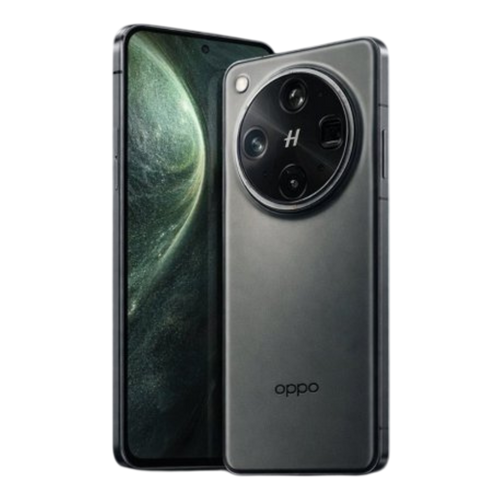
OPPO Find X9 Ultra Rumored to Feature Industry-First Native 10x Optical Zoom, Outperforming Samsung
New leaks reveal the OPPO Find X9 Ultra may feature the industry's only native 10x optical zoom lens, setting a new benchmark for smartphone telephoto photography.
-

Apple's Foldable iPhone: An iPad When Open, an iPhone When Closed, But With Compromises
Apple's foldable iPhone, rumored as the 'Ultra,' promises an iPad-like experience but comes with significant design compromises and a hefty price tag. Is it worth the wait?
-

DJI Officially Announces Avata 360: The First 8K Flagship Panoramic Drone, Launching March 26
DJI has officially announced its first 8K flagship panoramic drone, the Avata 360, with a global launch scheduled for March 26. Get ready for a new flight experience.
-

Insta360 Luna Leaks: Dual-Camera Gimbal with 70mm Telephoto Lens to Challenge DJI
Leaked details reveal the Insta360 Luna, a groundbreaking dual-camera gimbal with a 70mm telephoto lens, set to compete directly with DJI's Osmo Pocket series.
-

Mac minis Are Selling Out for AI 'Lobsters'—Here Are the Most Creative OpenClaw Projects
A new craze for the OpenClaw AI agent has Mac minis flying off the shelves. Here are the most innovative ways people are using this powerful new tool.
-

Honor Magic V6 Launched: Maxed-Out Durability and the Debut of the 'Lobster' Universe
Honor's new Magic V6 foldable pushes boundaries with a candy bar-like design, exceptional battery life, and maxed-out durability, making it a true flagship contender.
-

Xiaomi Laptop Pro 14 Unveiled in Three New Elegant Colors
Xiaomi has announced three stunning new colors for its upcoming Laptop Pro 14. The ultra-light powerhouse features an Intel Core Ultra X7 processor and weighs only 1.08kg.
-

RedMagic Gaming Tablet 5 PRO Announced, Aims to Shatter Refresh Rate Records Beyond 165Hz
RedMagic has announced its upcoming Gaming Tablet 5 PRO, teasing a record-breaking screen refresh rate that is expected to surpass 165Hz, promising an unparalleled smooth gaming experience.
-
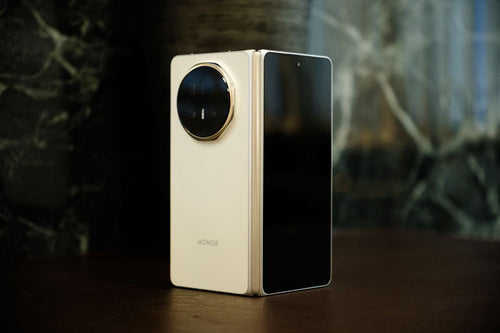
Honor Magic V6 Review: Durability Perfected, Screen Redefined
The Honor Magic V6 pushes the foldable category forward with a brilliant, durable screen, exceptional battery life, and flagship features, finally catching up to traditional smartphones.
-

Apple's $7,000 AI Powerhouse: The M5 Max MacBook Pro is Better Than We Imagined
A deep dive into the M5 Max MacBook Pro, a true AI powerhouse thanks to its massive 128GB unified memory, outperforming expectations in local AI, creative work, and gaming.
-

Dutch Designer Builds Incredible 10:1 Scale LEGO Computer Powered by a Mac Mini
A Dutch designer created a giant, functional LEGO computer brick, ingeniously fitting an entire Apple Mac Mini inside this nostalgic, 3D-printed case with interactive features.
-

A Bloomberg Deep Dive: Why the AI Boom Is Making Your Next Phone and PC More Expensive
The surging demand for AI is creating a historic memory chip shortage. This supply crisis is making everyday electronics like smartphones and PCs significantly more expensive.
-
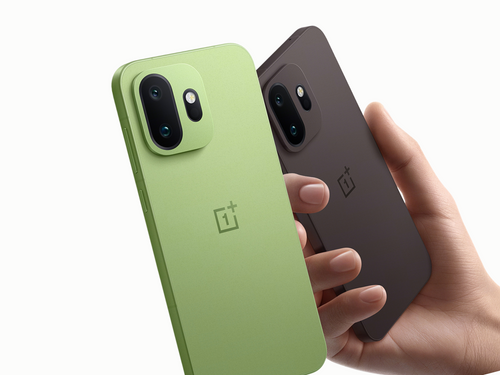
OnePlus 15T 'Small Screen Beast' Confirmed for March Launch with Flagship Specs
OnePlus officially confirms the OnePlus 15T for a March release. Dubbed the 'Small Screen Beast,' this compact flagship packs a massive battery, fast charging, and premium features.
-

Apple's New Strategy: Targeting Windows 11 Users by Touting Microsoft Office on MacBook Neo
Apple is taking a new approach to win over Windows 11 users, surprisingly highlighting Microsoft Office as a key feature for its budget-friendly MacBook Neo.
-

Plaud Note Pro Review: The Pros and Cons of the Original AI Recording Card
After testing the Plaud Note Pro, we delve into the pros and cons of this pioneering AI recording card, from its design trade-offs to its powerful AI capabilities.
-
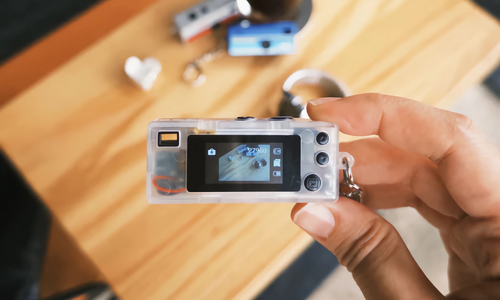
The $30 Kodak Camera That's Selling Out: Nostalgic Genius or a Final Struggle?
Kodak's Charmera keychain camera is a viral sensation despite its poor image quality. This tiny, retro-inspired gadget combines nostalgia with a clever blind-box marketing strategy.
-

Honor WIN Hands-On Review: A 10,000mAh Gaming Beast with a Built-in Fan and 3x Telephoto
The Honor WIN gaming phone pushes boundaries with its massive 10,000mAh battery, active cooling fan, and a versatile 3x telephoto lens, delivering performance beyond expectations.
-
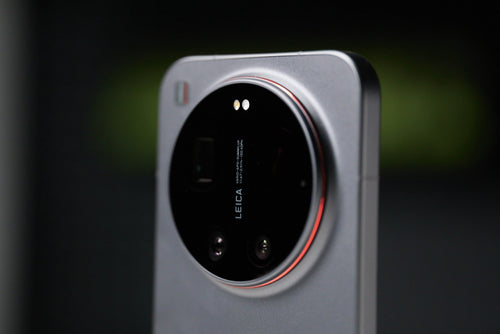
Xiaomi 17 Ultra In-Depth Review: Continuous Optical Zoom + APO Triplet Lens—Has the Phone of the Year Arrived Early?
An in-depth look at the Xiaomi 17 Ultra, featuring a revolutionary continuous optical zoom camera, an APO lens, and exceptional image quality that sets a new industry standard.
-
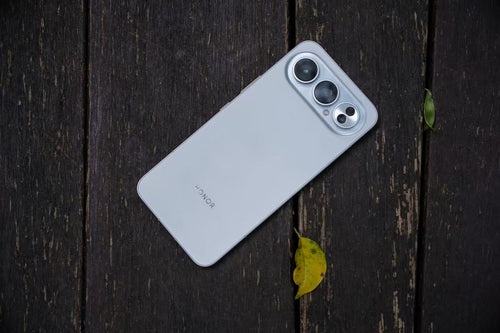
Honor 500 Pro Review: A Textbook Mid-Range Phone with Exceptional Feel and Battery Life
The Honor 500 Pro raises the bar for mid-range phones with its stunning design, powerful 200MP camera, marathon 8000mAh battery, and flagship-level performance. A true all-rounder.
-
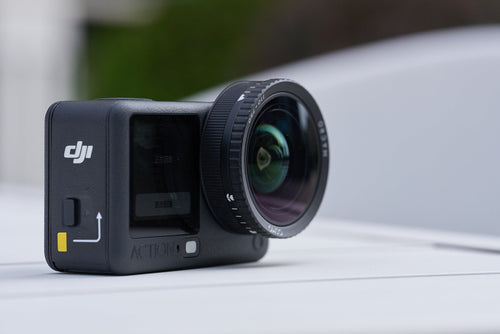
DJI Osmo Action 6 Review: The New Pinnacle of Action Camera Image Quality?
The DJI Osmo Action 6 sets a new standard with its groundbreaking variable aperture, versatile square sensor, and phenomenal battery life, making it the ultimate tool for action videography.
-
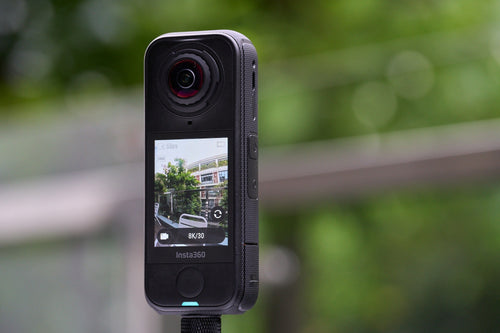
Insta360 X4 Air Review: Making 360 Cameras Accessible and Beginner-Friendly
The Insta360 X4 Air balances 8K quality, portability, and an affordable price, making it the perfect beginner-friendly 360 camera for capturing everything.
-
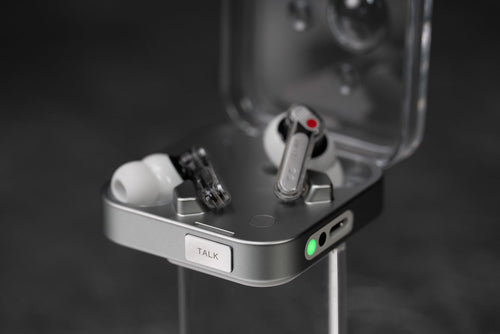
Nothing Ear 3 Review: Where Striking Design Finally Meets Its Sonic Match
The Nothing Ear 3 stands out with its iconic transparent design and finally delivers a balanced, impressive sound quality, making it a rare blend of style and substance.
-
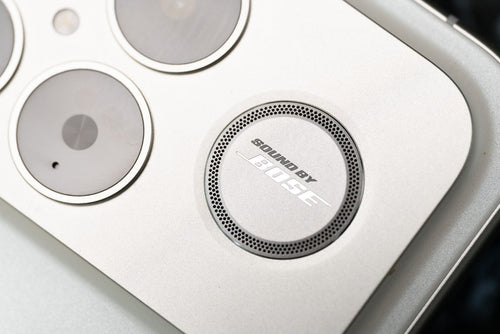
Redmi K90 Pro Max First Look: Is Game-Changing Audio the Key to Success?
The Redmi K90 Pro Max review: A flagship that stands out with its top-tier performance and a revolutionary BOSE-powered 2.1 sound system, carving a new path.
-
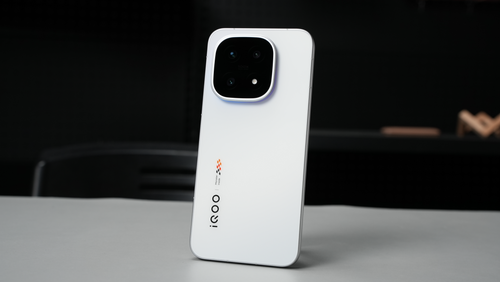
iQOO 15 Review: Perfect Gaming Performance, But Photography Has Its Limits
The iQOO 15 delivers flawless gaming performance with its new Snapdragon chip and 2K 144Hz screen, but its camera capabilities reveal some trade-offs for its gaming-centric design.
-
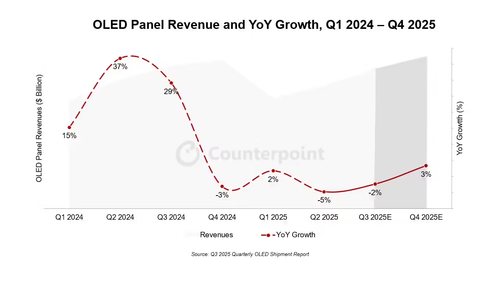
Global OLED Market 2025 Forecast: Samsung Display to Lead with 41% Revenue Share, Says CounterPoint
CounterPoint Research's 2025 OLED market forecast shows Samsung Display leading with 41% revenue share, amidst a market recovery driven by laptops and monitors.
-
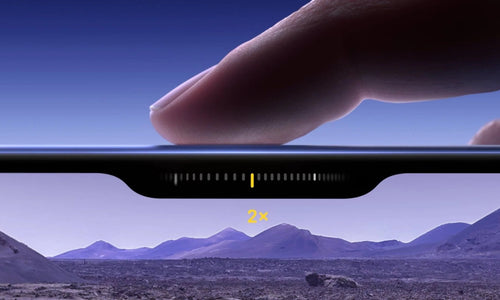
The Rise and Swift Fall of the Camera Button: Is Apple's Experiment Over?
Apple's camera button, once hailed as a pro feature and copied by rivals, is rumored to be on its way out. Here’s what went wrong.
-
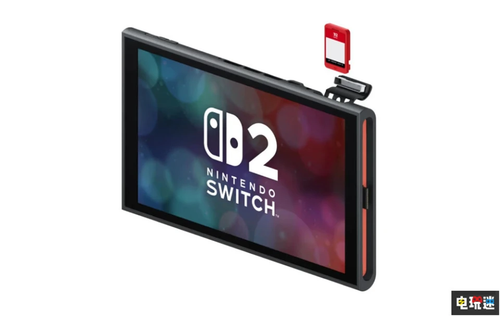
Report: Nintendo Switch 2 Cartridges to Use 3D NAND for Lower Costs and Higher Capacity
A report from supply chain partner Macronix suggests Nintendo Switch 2 game cartridges will utilize 3D NAND flash, aiming for lower costs and larger storage capacities.
-
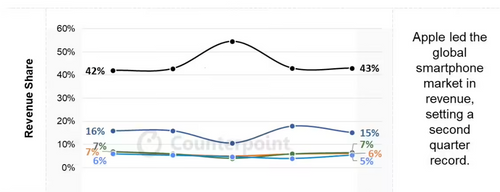
Global Smartphone Market Hits Record $100B in Q2 2025, Apple Dominates Revenue
The global smartphone market reached a record $100 billion in revenue in Q2 2025, with Apple capturing 43% of the total, according to a new Counterpoint Research report.


