-

Heyup Valentine’s Guide to Relationship Tech
Upgrade your connection this Valentine’s Day with Heyup’s 2026 guide to "Relationship Tech." We’ve moved beyond grand gestures to focus on Synchronicity—using tech to align rhythms and eliminate daily frictions.
-

Dutch Designer Builds Incredible 10:1 Scale LEGO Computer Powered by a Mac Mini
A Dutch designer created a giant, functional LEGO computer brick, ingeniously fitting an entire Apple Mac Mini inside this nostalgic, 3D-printed case with interactive features.
-

A Bloomberg Deep Dive: Why the AI Boom Is Making Your Next Phone and PC More Expensive
The surging demand for AI is creating a historic memory chip shortage. This supply crisis is making everyday electronics like smartphones and PCs significantly more expensive.
-
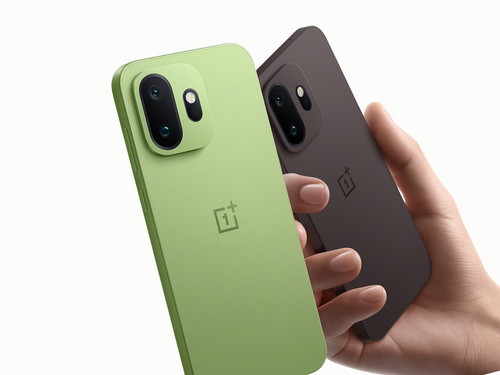
OnePlus 15T 'Small Screen Beast' Confirmed for March Launch with Flagship Specs
OnePlus officially confirms the OnePlus 15T for a March release. Dubbed the 'Small Screen Beast,' this compact flagship packs a massive battery, fast charging, and premium features.
-

Apple's New Strategy: Targeting Windows 11 Users by Touting Microsoft Office on MacBook Neo
Apple is taking a new approach to win over Windows 11 users, surprisingly highlighting Microsoft Office as a key feature for its budget-friendly MacBook Neo.
-

TSMC's Production Bottleneck: The Real Reason Behind MacBook Neo's A18 Pro Chip
Reports suggest the MacBook Neo's use of the A18 Pro chip is due to severe supply constraints at TSMC's high-end production nodes, a challenge impacting multiple Apple products.
-

Honor 600 Lite Launches Overseas with Blazing 6500-Nit Display and Dimensity 7100 Elite Chip
Honor has officially launched its new mid-range smartphone, the 600 Lite, in Malaysia, boasting a powerful chipset, a super-bright display, and a high-resolution camera system.
-

Game Over: Why Dedicated Gaming Phones Are Being Replaced by 'All-Rounder' Flagships
The era of dedicated gaming phones is ending. Once essential, they are now being replaced by more versatile and powerful 'all-rounder' smartphones that do everything better.
-

Pulsar and CS Pro ZywOo Launch Exclusive Gen.2 Pink Gaming Mouse
Pulsar and pro player ZywOo release the exclusive Chosen Mouse Gen.2 in pink, featuring top-tier performance upgrades, an ergonomic design, and two size options for gamers.
-

Apple Unveils the MacBook Neo: A Budget-Friendly Laptop Powered by the A18 Pro Chip
Apple's new MacBook Neo, powered by the A18 Pro chip, aims to capture the entry-level market with its aggressive pricing and 'good enough' philosophy.
-

Amazfit Active 3 Sapphire Edition Launched: Premium Design, 170+ Sports Modes, and 12-Day Battery Life
Huami unveils the Amazfit Active 3 Sapphire Edition, a premium smartwatch with a brilliant display, extensive sports modes, advanced navigation, and an impressive 12-day battery life.
-

Honor's New Identity: A Robotics Company with a Robot Phone and Humanoid at MWC 2026
Honor pushes boundaries at MWC 2026, unveiling a revolutionary Robot Phone with a built-in gimbal and an advanced humanoid robot, bringing AI into the physical world.
-

Beyond the Pixels: How TCL CSOT is Redefining Mobile Screens at MWC 2026
At MWC 2026, TCL CSOT introduced its groundbreaking Super Pixel technology, pushing mobile display performance with innovations in clarity, power efficiency, and ultra-high refresh rates.
-

Apple Unleashes M5 Pro/Max MacBooks & New Studio Displays: A Leap in AI and Pro Performance
Apple has released new MacBook Pro models powered by the M5 Pro and M5 Max chips, alongside a refreshed MacBook Air and a new 120Hz Studio Display XDR.
-

From Foldable Handhelds to Lego-Like PCs: Lenovo's Radical Vision at MWC 2026
At MWC 2026, Lenovo unveiled a radical vision for personal computing, from a foldable gaming handheld to a Lego-like modular PC and advanced AI companions.
-

iPhone 17e Introduces eSIM to China: Is the Cardless Era Accelerating?
The iPhone 17e brings a physical SIM and eSIM combo to China, signaling a major shift as domestic brands race towards a cardless future with more flexible options.
-

iQOO Z11x Global Launch Set for March 12, Powered by Dimensity 7400 Turbo
iQOO's new mid-range Z11x launches globally on March 12, featuring the powerful Dimensity 7400 Turbo chipset, a massive 7000mAh battery, and a 120Hz display.
-

vivo X300 Ultra: A Deep Dive into its Pro-Level Video Upgrades
The vivo X300 Ultra aims to be a professional video tool, offering 10-bit Log recording across all focal lengths, a pro mode, and new Zeiss photography accessories.
-

Motorola Unveils New Moto Buds 2 Series, Featuring a Premium Model Tuned by Bose
Motorola unveils its new TWS lineup, the moto buds 2 and the premium, Bose-tuned moto buds 2 plus, offering advanced audio features for every user.
-

Lenovo Unveils AI Desk Companions at MWC 2026: Scanning, Projecting, and Organizing Your Workday
At MWC 2024, Lenovo unveiled two innovative AI desk companion concepts designed to enhance productivity with features like document scanning, projection, and intelligent task management.
-

Ulefone to Unveil RugOne Xsnap 7 Pro: A Rugged Phone with a Revolutionary Detachable Camera at MWC 2026
Ulefone will showcase the RugOne Xsnap 7 Pro at MWC 2026, the world's first rugged phone featuring a modular, detachable rear camera for independent use.
-

Lenovo Unveils Legion Go Fold Concept at MWC 2026, Fusing Tablet and Gaming Handheld
Lenovo's new Legion Go Fold concept, unveiled at MWC 2026, merges a powerful foldable tablet with a detachable gaming handheld for ultimate versatility.
-

Hands-On with the Honor Robot Phone: A Glimpse into the Future with a 3-Axis Gimbal and Embodied AI
Honor's innovative Robot Phone concept integrates a powerful 3-axis gimbal camera and embodied AI, pointing towards the future of mobile videography and intelligent devices.
-

Hands-On with the LEITZPHONE: Xiaomi's 17 Ultra International Edition with a Differentiated Design
An exclusive hands-on with the Xiaomi LEITZPHONE, showcasing its unique design differences from the domestic 17 Ultra, including a new back panel and champagne gold frame.
-

March Smartphone Showdown: Foldables Become Daily Drivers, Can Small Phones Make a Comeback?
An inside look at the new wave of smartphones for March, where foldables become daily drivers and small phones get a massive power boost. Here’s what’s coming.
-

Bracing for Impact: Smartphone Market Faces Historic 12.4% Plunge in 2026
The global smartphone market is projected to face its most severe contraction in 2026, with shipments plummeting by 12.4% due to a component price super-cycle.
-

The Great Smartphone Price Hike: Why AI is to Blame and Only Apple is Safe
An unprecedented wave of price hikes is hitting the smartphone market, driven by the AI boom. Most brands will raise prices, but Apple may be the exception.
-

UGREEN Unveils FineTrack Slim: A Wallet-Sized Tracker with Wireless Charging and Apple Find My Support
UGREEN has launched its new FineTrack Slim tracker, now featuring convenient wireless charging and full integration with Apple's Find My network for easy item location.
-

Google's Masterstroke: How the New Gemini Agent Redefines the Future of Android
Google is transforming Android with its new Gemini AI agent, introducing system-level automation that challenges the entire app ecosystem and redefines the future of smartphones.
-

The End of an Era: How Meizu, a 17-Year Rival to Xiaomi, Fell in 2026
After a 17-year journey of innovation and rivalry, the 'small and beautiful' smartphone brand Meizu finally exits the market, marking the end of an era.
-

LEICA LEITZPHONE powered by Xiaomi: Global Launch Confirmed for Tomorrow
Xiaomi and Leica are launching the 'LEICA LEITZPHONE powered by Xiaomi' globally tomorrow, featuring a unique design and flagship specifications.
-

Huawei Watch GT Runner 2 Renders Leaked: A Pro Runner's Dream with Titanium, ECG, and Dual-Band GPS
Leaked renders showcase the upcoming Huawei Watch GT Runner 2, a professional running watch featuring a titanium build, ECG, dual-band GPS, and impressive battery life.
-

ZTE to Unveil Nubia Neo 5 GT Gaming Phone with Built-in Fan at MWC 2026
ZTE has announced the Nubia Neo 5 GT, a new gaming phone with an integrated cooling fan, set for a global debut at MWC 2026.
-

Samsung Unveils Galaxy S26 Series: A New Era of AI and a Groundbreaking Privacy Display
Samsung's new Galaxy S26 series introduces a groundbreaking hardware Privacy Display and advanced Agentic AI, focusing on practical innovation beyond just chasing raw specifications.
-

Samsung Unveils Galaxy Buds4 & Buds4 Pro with Adaptive ANC and Super Clear Call Technology
Samsung has officially launched its new Galaxy Buds4 and Buds4 Pro wireless earbuds, introducing advanced features like Adaptive ANC, Super Clear Call, and powerful AI integration.
-

The Touchscreen MacBook is Coming: Why Apple is Finally Defying Steve Jobs
Rumors suggest a touchscreen MacBook Pro is coming. Despite Steve Jobs' opposition, changing user expectations and market trends are making this once-unthinkable feature an inevitable evolution.
-

A New Tactile Experience: Keychron Unveils K2 HE Keyboards in Resin and Concrete
Keychron expands its K2 HE lineup with stunning special editions crafted from resin and concrete, offering a unique aesthetic and premium magnetic switch typing experience for enthusiasts.
-

OPPO Find N6 Design Leaked: Circular Hasselblad Quad-Camera and Minimal Crease Teased
Leaked images of the upcoming OPPO Find N6 foldable phone showcase a bold new circular Hasselblad quad-camera module and a repositioned flash, hinting at a major camera upgrade.
-

Music for the Afterlife: Spotify and Liquid Death Unveil Urn-Shaped Speaker
Spotify and Liquid Death have launched the 'Eternal Playlist Urn,' a bizarre, limited-edition Bluetooth speaker shaped like a cremation urn for your music to live on forever.
-

Apple's Next 'iPhone' Isn't a Phone—It's an Entire AI Ecosystem
Apple is reportedly developing a new ecosystem of AI-powered wearables, including smart glasses and camera-equipped AirPods, designed to work in synergy with the iPhone.
-

iQOO 15R Arrives in India: Snapdragon 8 Gen 5, Massive 7600mAh Battery, and 144Hz Display
iQOO has officially launched the 15R in India, a new flagship contender boasting a Snapdragon 8 Gen 5 chip, a massive 7600mAh battery, and a stunning 144Hz display.
-

OnePlus 15T Leaks: A Compact Powerhouse with a Larger-Than-Flagship Battery
The upcoming OnePlus 15T is shaping up to be a compact powerhouse, reportedly featuring a massive battery, wireless charging, and the latest Snapdragon 8 Elite Gen5 processor.
-

This $144/Year AI App Made Me Quit Typing. Here's Why.
Typeless is a subscription-based AI input method that goes beyond transcription, intelligently refining your speech to streamline communication and content creation with AI.
-

The End of an Era: Phil Spencer Retires, and the Xbox We Knew Is 'Dead'
After 12 years at the helm, legendary Xbox chief Phil Spencer has retired. This shocking departure signals the end of an era and a new, uncertain future for the brand.
-

Apple's Next Big Move: Tim Cook's 'Visual Intelligence' Hints at a Future of AI Wearables
Following a familiar pattern, Tim Cook is dropping hints about 'Visual Intelligence,' signaling Apple's next big bet on a new category of AI-powered wearable devices.
-
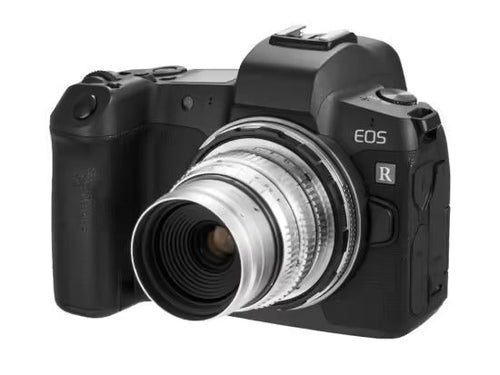
SHOTEN Unveils Smart Adapter: Use Leica M Lenses on Canon RF with EXIF & Macro Capabilities
SHOTEN's new LM-CR ME adapter brings Leica M lenses to Canon RF cameras, featuring electronic contacts for EXIF data and a built-in helicoid for close-focus photography.
-

Plaud Note Pro Review: The Pros and Cons of the Original AI Recording Card
After testing the Plaud Note Pro, we delve into the pros and cons of this pioneering AI recording card, from its design trade-offs to its powerful AI capabilities.
-
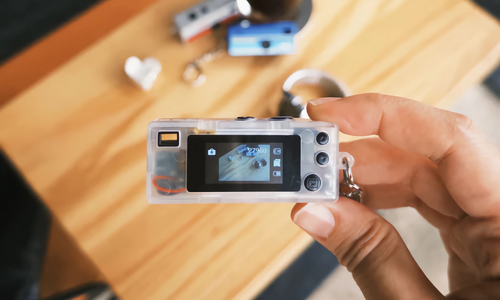
The $30 Kodak Camera That's Selling Out: Nostalgic Genius or a Final Struggle?
Kodak's Charmera keychain camera is a viral sensation despite its poor image quality. This tiny, retro-inspired gadget combines nostalgia with a clever blind-box marketing strategy.
-

Honor WIN Hands-On Review: A 10,000mAh Gaming Beast with a Built-in Fan and 3x Telephoto
The Honor WIN gaming phone pushes boundaries with its massive 10,000mAh battery, active cooling fan, and a versatile 3x telephoto lens, delivering performance beyond expectations.
-
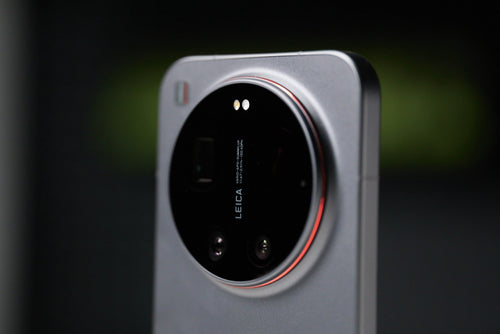
Xiaomi 17 Ultra In-Depth Review: Continuous Optical Zoom + APO Triplet Lens—Has the Phone of the Year Arrived Early?
An in-depth look at the Xiaomi 17 Ultra, featuring a revolutionary continuous optical zoom camera, an APO lens, and exceptional image quality that sets a new industry standard.
-
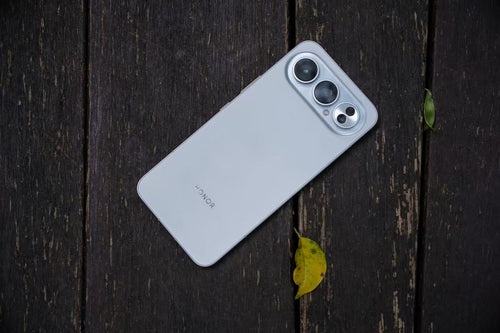
Honor 500 Pro Review: A Textbook Mid-Range Phone with Exceptional Feel and Battery Life
The Honor 500 Pro raises the bar for mid-range phones with its stunning design, powerful 200MP camera, marathon 8000mAh battery, and flagship-level performance. A true all-rounder.
-
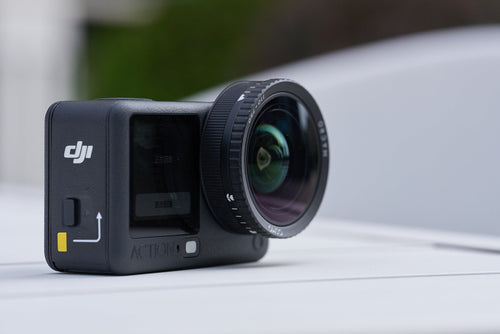
DJI Osmo Action 6 Review: The New Pinnacle of Action Camera Image Quality?
The DJI Osmo Action 6 sets a new standard with its groundbreaking variable aperture, versatile square sensor, and phenomenal battery life, making it the ultimate tool for action videography.
-
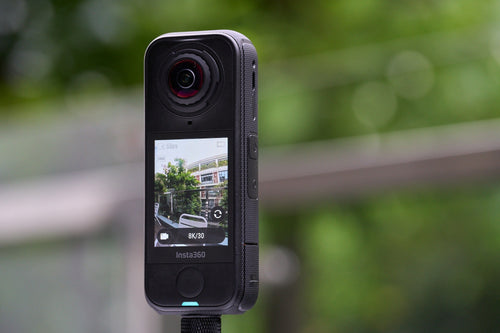
Insta360 X4 Air Review: Making 360 Cameras Accessible and Beginner-Friendly
The Insta360 X4 Air balances 8K quality, portability, and an affordable price, making it the perfect beginner-friendly 360 camera for capturing everything.
-
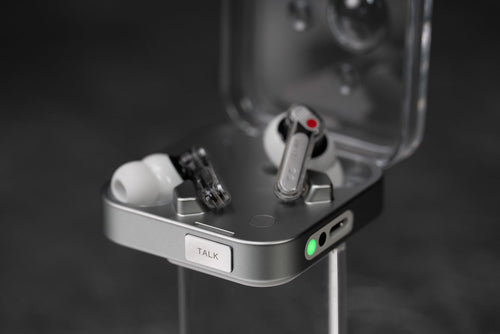
Nothing Ear 3 Review: Where Striking Design Finally Meets Its Sonic Match
The Nothing Ear 3 stands out with its iconic transparent design and finally delivers a balanced, impressive sound quality, making it a rare blend of style and substance.
-
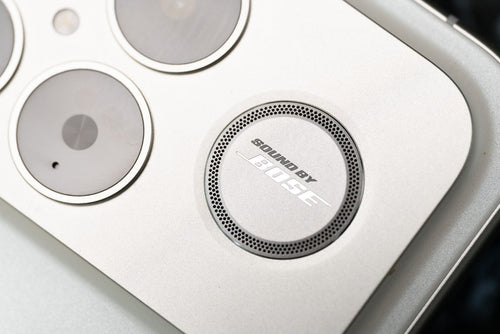
Redmi K90 Pro Max First Look: Is Game-Changing Audio the Key to Success?
The Redmi K90 Pro Max review: A flagship that stands out with its top-tier performance and a revolutionary BOSE-powered 2.1 sound system, carving a new path.
-
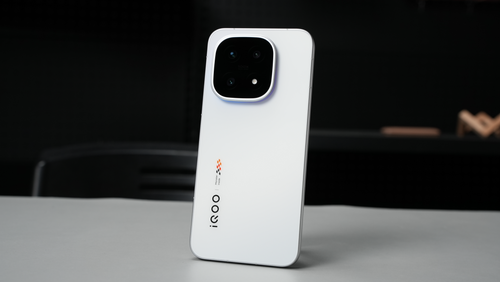
iQOO 15 Review: Perfect Gaming Performance, But Photography Has Its Limits
The iQOO 15 delivers flawless gaming performance with its new Snapdragon chip and 2K 144Hz screen, but its camera capabilities reveal some trade-offs for its gaming-centric design.
-
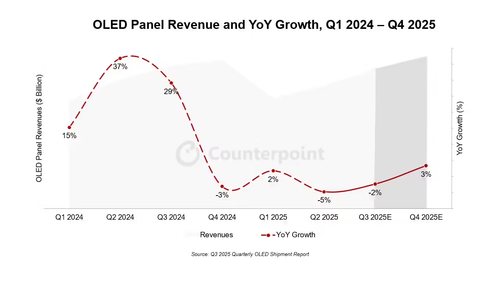
Global OLED Market 2025 Forecast: Samsung Display to Lead with 41% Revenue Share, Says CounterPoint
CounterPoint Research's 2025 OLED market forecast shows Samsung Display leading with 41% revenue share, amidst a market recovery driven by laptops and monitors.
-
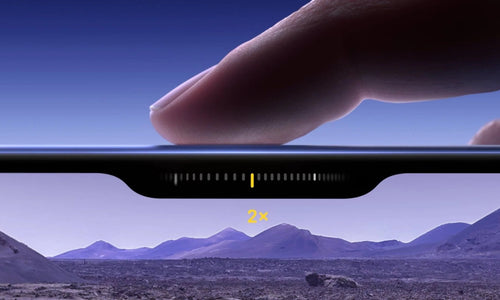
The Rise and Swift Fall of the Camera Button: Is Apple's Experiment Over?
Apple's camera button, once hailed as a pro feature and copied by rivals, is rumored to be on its way out. Here’s what went wrong.
-
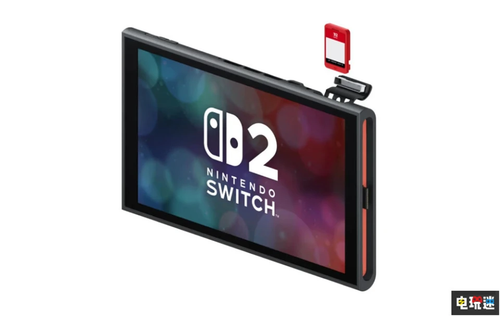
Report: Nintendo Switch 2 Cartridges to Use 3D NAND for Lower Costs and Higher Capacity
A report from supply chain partner Macronix suggests Nintendo Switch 2 game cartridges will utilize 3D NAND flash, aiming for lower costs and larger storage capacities.
-
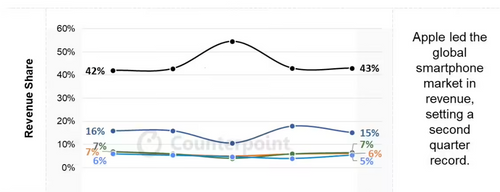
Global Smartphone Market Hits Record $100B in Q2 2025, Apple Dominates Revenue
The global smartphone market reached a record $100 billion in revenue in Q2 2025, with Apple capturing 43% of the total, according to a new Counterpoint Research report.


